
Inside a Bottle Filling and Capping Machine: How Your Drink Gets from Tank to Shelf
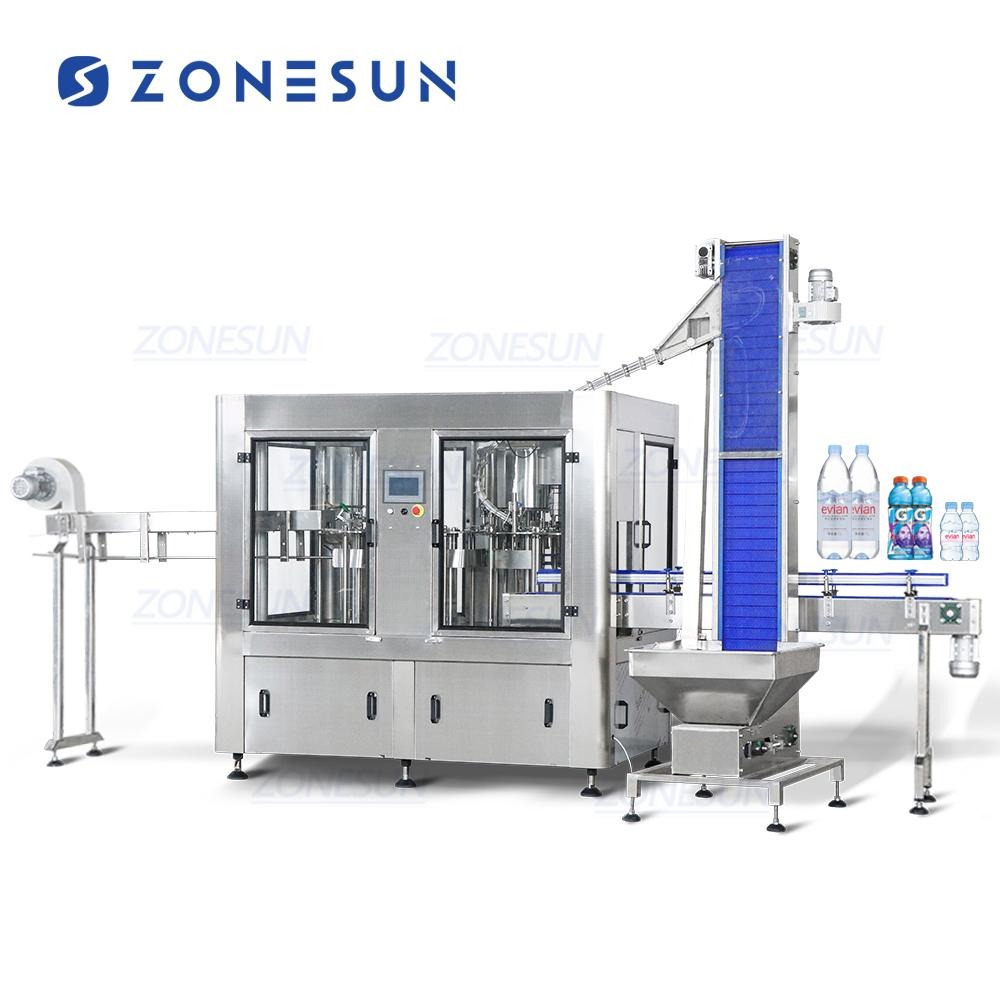
Every bottle on a store shelf passed through a choreographed sequence of fill, seal, and finish. Watch a modern production line for a minute and it looks effortless: empty bottles glide in one end, sealed labeled products roll out the other. The heart of that line is the bottle filling and capping machine, a single integrated system that doses liquid with milliliter precision and then torques a cap onto every bottle without slowing down. Understanding how it works explains why beverage, pharma, and cosmetics plants treat it as the most critical purchase on the floor.
From Empty Bottle to Filled Product: The Line in Motion
It starts with bottle handling. Empty containers are fed onto a conveyor or rotary table, spaced and steadied so each one arrives under the filling heads in exactly the right position. Sensors confirm presence and alignment before a single drop is dispensed, because a misaligned bottle means spilled product and downtime. Once positioned, the filling cycle begins. Depending on the liquid, the machine uses gravity, piston, peristaltic, or overflow filling: thin water-like liquids flow by gravity, viscous creams and syrups need piston pumps that push an exact volume. A well-tuned bottle filling and capping machine holds fill accuracy within a fraction of a percent, which matters enormously when you are filling ten thousand bottles an hour and every overfill is money down the drain.
The Capping Stage: Where the Seal Is Made
Filled bottles travel a few meters to the capping heads. Caps are sorted, oriented, and fed automatically, then picked and placed onto each bottle neck before the chuck descends and spins the cap to a precise torque. Too loose and the product leaks or spoils; too tight and the consumer cannot open it, or the bottle deforms. Modern machines monitor torque on every single cap and reject outliers automatically. This is the stage where a bottle filling and capping machine earns its keep: a perfect fill means nothing if the seal fails on the truck.
Rotary vs. Inline: Two Architectures
High-volume lines use rotary architecture: bottles enter a spinning carousel where filling and capping heads orbit with them, working continuously without stopping the bottle. Rotary systems dominate beverage plants running tens of thousands of units per hour. Inline machines arrange stations in a straight line and suit lower volumes, frequent changeovers, and tight floor plans. An inline bottle filling and capping machine typically serves craft producers and contract packers running many SKUs, while rotary serves the giants running one product all day. Choosing between them is really choosing between flexibility and raw throughput, and most mid-size plants start inline and graduate to rotary as volume justifies it.
The Automation Layer: PLCs and Sensors
What makes a modern line feel intelligent is the control system. A PLC orchestrates every station: bottle-present sensors gate the fill cycle, level sensors verify each fill, torque transducers grade every cap, and reject gates kick out failures without stopping the line. Recipe storage means an operator recalls fill volumes, speeds, and torque settings for each SKU at a touch. On a well-automated bottle filling and capping machine, the operator’s job shifts from manual adjustment to monitoring trends on the HMI, catching drift before it becomes defects. That data trail also feeds quality documentation that auditors and major retailers increasingly demand.
Why Integration Beats Separate Machines
Older plants ran a filler from one vendor and a capper from another, with a transfer conveyor between them. Every handoff is a chance for jams, misalignment, and contamination. An integrated bottle filling and capping machine eliminates the handoff entirely: bottles never leave the controlled path between fill and seal. Changeover is faster too, since one control panel manages both stations, and one operator can run the whole cell. For small and mid-size producers, that consolidation is often the difference between affording automation and staying manual.
What Keeps the Line Running Hour After Hour
Three things separate a good installation from a headache: sanitation design, changeover speed, and service access. Food and pharma lines need washdown-ready stainless construction and tool-free disassembly of product-contact parts. Quick changeover, swapping bottle formats in under half an hour, decides whether short runs are profitable. And accessible components with standard parts keep maintenance from becoming a specialist-only affair. Plants that evaluate a bottle filling and capping machine on these three factors, not just top speed, end up with lines that actually deliver their rated output year after year.
For producers comparing options, a look at a dedicated bottle filling and capping machine lineup shows how fillers and cappers are matched to bottle types, speeds, and liquids, which makes specifying the right configuration far simpler than mixing separate machines.
The Bottom Line
A bottle filling and capping machine is really three disciplines, precise dosing, reliable sealing, and smooth handling, fused into one frame and governed by smart controls. When those elements work in sync, the result is a line that fills accurately, seals consistently, and runs with minimal attention. That is the quiet standard every plant should demand before signing off on the purchase.
