
The Studio Essentials Behind Reliable Photography Backdrops
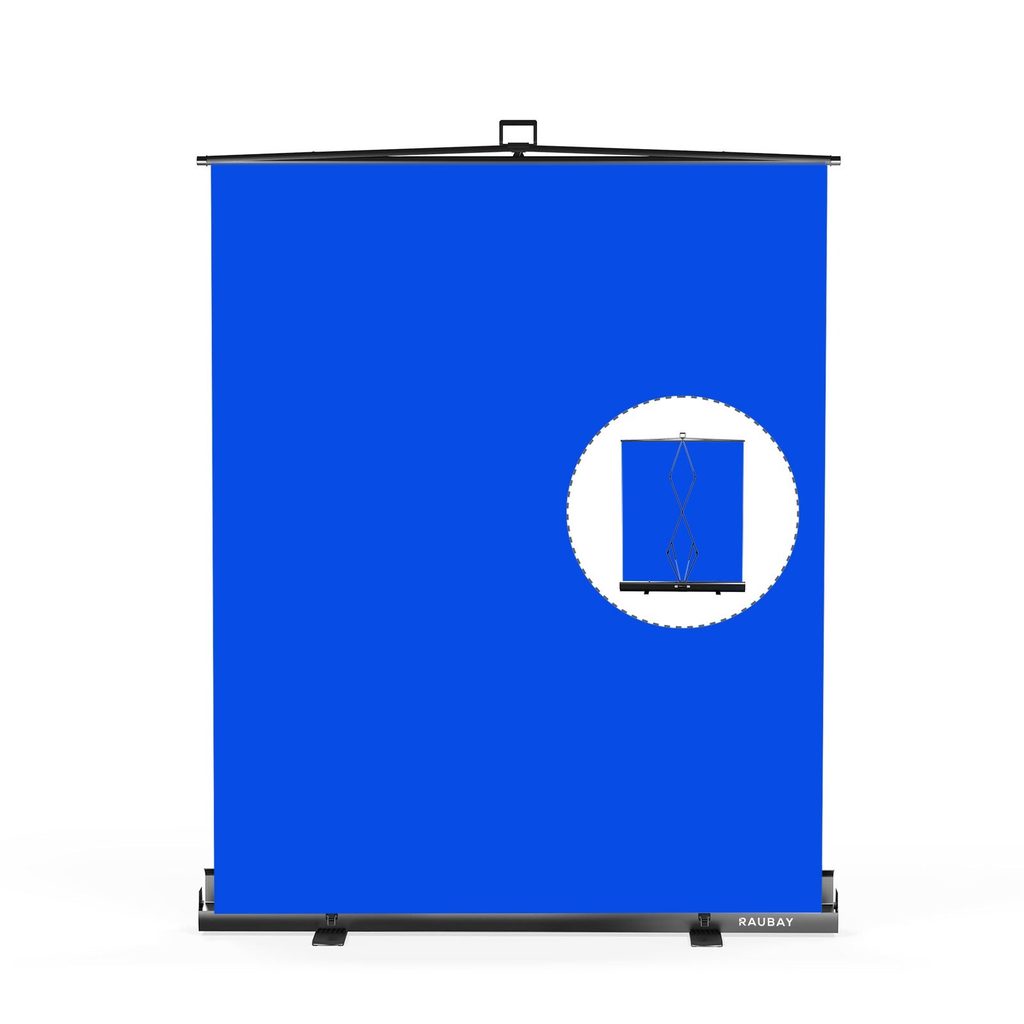
Walk into any working studio and the first thing you notice usually is not the camera or the strobes. It is the wall of color, paper, or fabric that shapes every frame. Backdrops carry more visual weight than most photographers admit, yet they are often the last piece of gear people research before booking a shoot. A weak surface will drag down a strong lighting setup, and a cluttered frame behind a portrait can undo hours of retouching later. This guide walks through what a dependable backdrop system actually looks like, why the small mechanical details matter more than color choices, and how portrait, product, and video shooters can pick a rig that grows with their work instead of aging out after a few months on set.
What Makes a Backdrop System Actually Work
A backdrop is not just a sheet of colored material. It is a small structural product that has to stay flat, stay tensioned, and load and unload quickly during a busy day. When a system fails, it usually fails at the connection points: brittle clamps, undersized crossbars, or a stand base that tips under the weight of a long roll. Serious photography backdrops rely on tubular steel frames, positive-locking crossbars, and roller mechanisms that hold their position even after months of daily use. Weight matters here in both directions. Too light and the frame wobbles when a fan or an assistant brushes past. Too heavy and the rig becomes a two-person job to reposition between setups.
Fabric, Vinyl, and Paper Compared
The surface material shapes the entire visual character of a shot. Seamless paper produces the cleanest sweep and the deepest color saturation, but it tears and stains, so most studios treat it as consumable. Cotton muslin is forgiving, launders well, and photographs with a soft matte look that flatters skin tones. Vinyl and canvas printed surfaces handle repeated setups, resist wrinkles, and cope with damp footprints during long product sessions. For photographers moving between portraits and tabletop work in the same afternoon, keeping two or three surface types on hand tends to be more practical than trying to force one material to cover every use case.
Frame and Mounting Choices
Where the frame lives decides how quickly you can shoot. Wall and ceiling mounts free up floor space and keep cables tidy, which is essential in a small studio where every square meter earns its keep. Freestanding stands are more flexible, since they roll into any corner and travel to on-location shoots, but they demand sandbags or a wide footprint to stay stable. A hybrid approach — permanent ceiling rails for high-use colors, and one collapsible stand for special jobs — usually strikes the right balance between speed and adaptability.
Common Pitfalls Photographers Face
The most frequent complaint is not color, it is wrinkles. A muslin backdrop pulled straight from a duffel will look creased on camera for at least an hour, and steam rarely solves the problem in time for the first frame. Hanging the backdrop overnight before a shoot, or investing in a heated garment steamer, avoids the last-minute panic. Sagging is another quiet issue. Long crossbars flex under the weight of heavy fabrics, producing a subtle curve at the horizon line that shows up in wide portraits. A center support or a shorter crossbar for oversized rolls usually solves this.
Color contamination is trickier. Warm lights bouncing off a nearby wall will tint a neutral gray backdrop toward beige, and photographers who trust their monitor over their meter often end up correcting the wrong element in post. Flagging light with black cards, or moving the subject a meter forward, controls the spill without needing new gear.
Matching a Backdrop System to Your Work
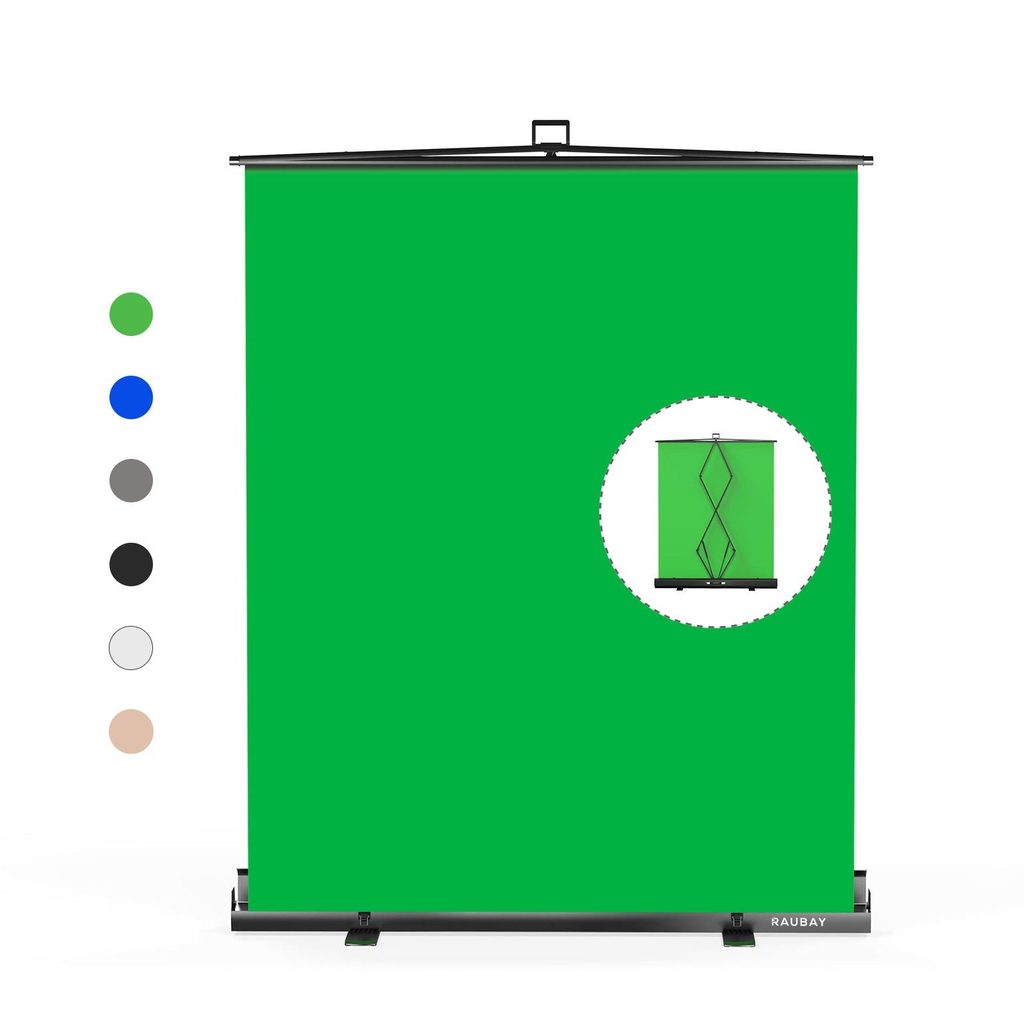
Portrait work rewards depth and softness. A wide, medium-toned surface set two meters behind the subject creates enough falloff for dramatic lighting and enough distance to keep the backdrop out of focus. Product photographers, in contrast, need a shorter sweep close to the subject with clean edges and precise tension so nothing distracts from the item on the table. Video producers usually want the widest possible frame with a smooth, non-reflective finish so lav mics and boom shadows do not read on camera.
A useful selection framework is to write down three things before buying: the widest lens you use, the deepest subject-to-backdrop distance you can afford in your space, and the number of setup changes you expect per shoot day. Those three numbers rule out most oversized or undersized rigs before you ever open a product page.
Where Reliability Starts to Pay Off
A well-built backdrop system pays back in quiet ways. Setups get faster because the same frame accepts multiple materials without adapters. Retouching hours drop because a cleaner surface means fewer wrinkles and stains to clone out. Client confidence rises because the studio looks composed rather than improvised. Photographers who work with brands like Raubay tend to standardize on one frame family and rotate surfaces on top of it, which keeps the daily rhythm predictable and leaves budget for the parts of the shoot that actually change: lighting, styling, and lenses.
Building a Backdrop Setup That Lasts
The strongest studios treat their backdrop system as a permanent part of the room, not a disposable accessory. A stable frame, a small library of surfaces, and a habit of steaming and rolling gear properly at the end of the day will outperform an expensive one-off purchase every time. If you are early in your studio build, invest first in a frame that accepts multiple materials, then add color and texture options as your work grows into new categories. The results show up not in a single dramatic photo but in the steady quality of everything you shoot for the next several years.