
How to Choose Laser Welder Accessories That Actually Perform
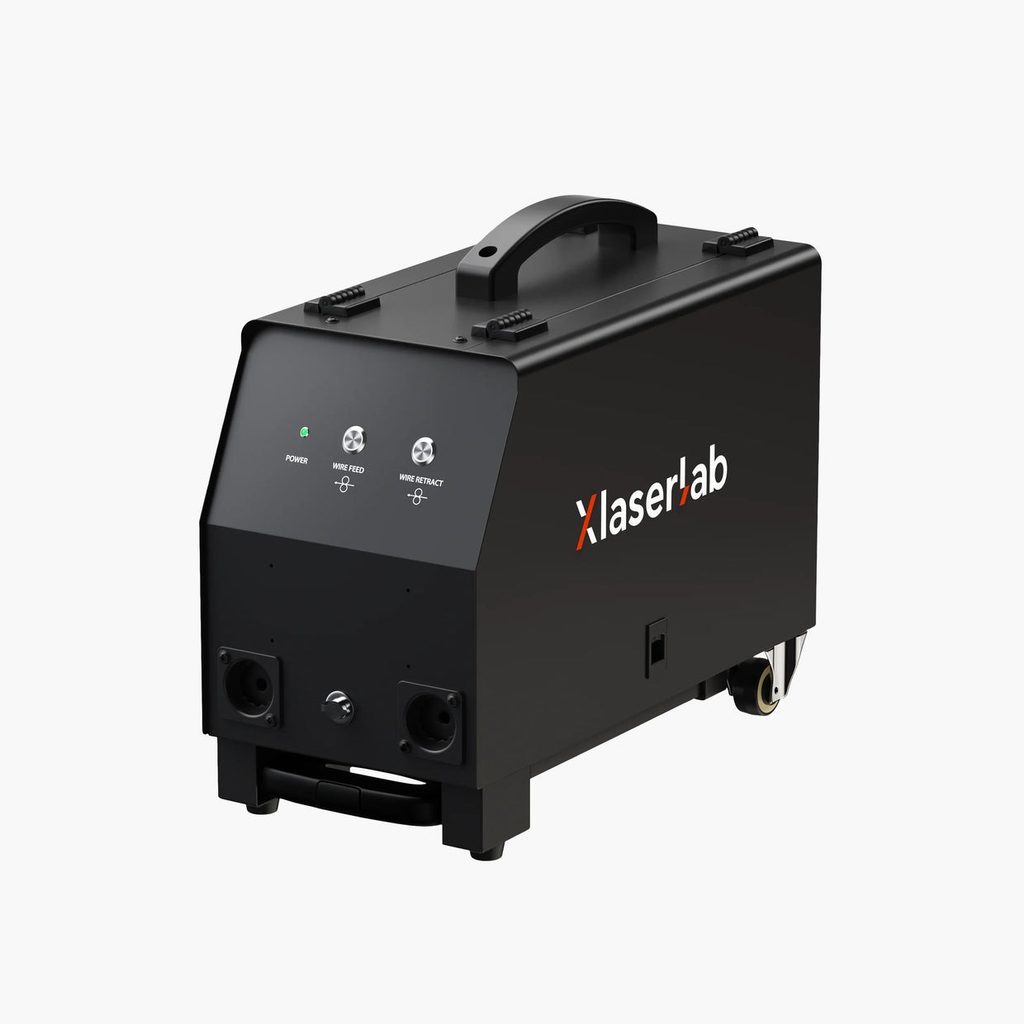
A handheld laser welder is only as productive as the parts attached to it. Nozzles, wire feeders, cooling lines, shielding gas fittings, protective lenses, and safety gear each shape the final weld more than most operators realize. When one of them is wrong or worn, arc chatter, spatter, or porosity shows up on the very next joint. That is why buyers who focus only on the base machine and treat the peripherals as an afterthought end up rebuying half of them within the first six months.
This guide flips that habit. It walks through the accessory categories that decide daily throughput, explains what to look for in each, and gives a repeatable selection process for fabricators, metal artists, and small production shops moving from stick or MIG into fiber laser welding. The goal is not a shopping list, but a way to evaluate any component against the work sitting on your bench.
Start With the Job Mix, Not the Catalog
Every accessory decision traces back to what the welder actually welds. A shop building stainless kitchen equipment lives on inside corner joints and thin sheet, while a custom fabrication studio might jump between structural steel brackets and thin aluminum enclosures in the same week. Those jobs pull different nozzles, different filler wire diameters, and even different shielding gas mixes.
Before pricing anything, list the five most common joint types your welder handles, the range of material thicknesses, and the alloys involved. That short audit tells you which nozzles are used daily, which lens focal lengths make sense, and whether an automatic wire feeder is essential or a luxury.
Nozzles and Guide Tips: The Single Biggest Weld Quality Lever
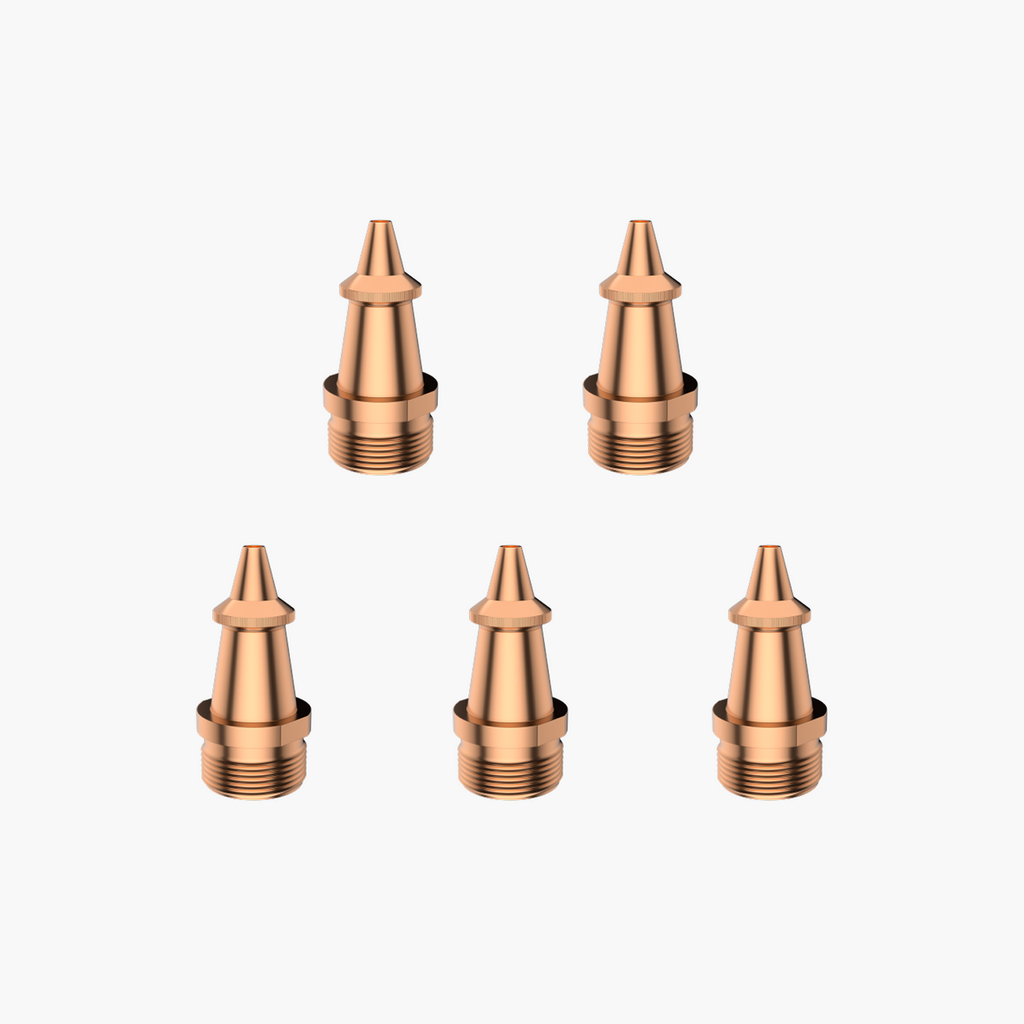
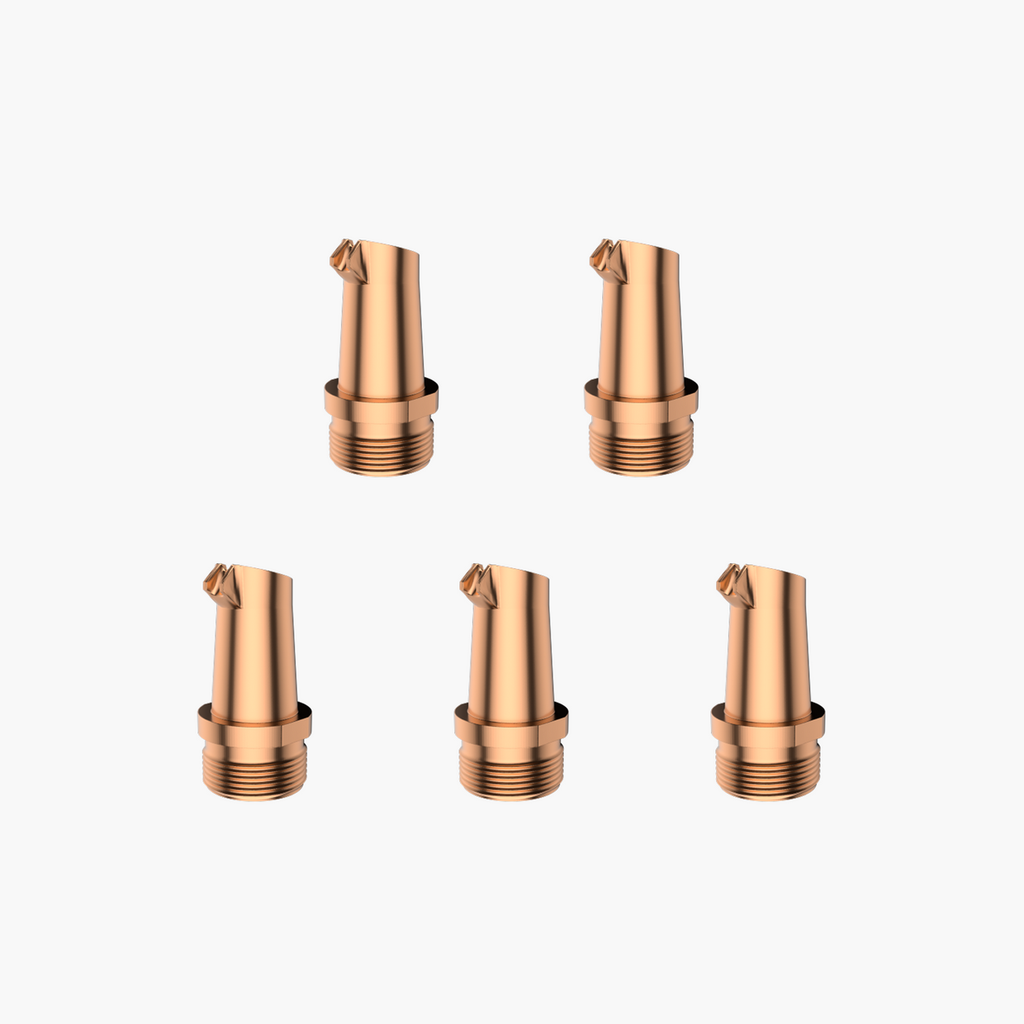
Nozzle choice controls beam standoff, shielding gas flow, and access to tight geometry. Get it wrong and even a perfectly tuned laser source produces uneven beads. Choosing the right Laser Welder Accessories for your gun starts with matching nozzle geometry to joint type rather than defaulting to whatever shipped in the box.
Standard vs Corner vs Wide-Angle Nozzles
Standard round nozzles work for open butt and lap joints. Corner or narrow-tip nozzles reach inside-fillet welds where a wider body would collide with the workpiece. Wide-angle nozzles broaden the shielding gas column, which helps on aluminum where oxide contamination is a constant risk. Most shops end up carrying three or four profiles and swapping them per job rather than trying to force one shape to cover everything.
When to Replace Consumable Tips
Guide tips degrade from spatter, heat, and mechanical contact. Signs it is time to swap include visible pitting on the inner bore, wire feed inconsistency, or a sudden drift in weld position. Keeping a rotation stock of six to ten tips prevents downtime and lets the operator swap mid-job without recalibrating the whole setup.
Protective Optics: The Cheapest Way to Ruin an Expensive Machine
Every fiber laser welder places a thin protective window between the beam and the environment. That lens is a consumable, and treating it like a permanent part is the fastest way to damage the collimator behind it. A single fingerprint or a fine spatter dot cooks into the coating on the next pulse, and the burn spreads across the aperture until beam quality drops.
Stock at least a dozen protective windows and inspect them at every shift change. Handle them by the edges only, store them in the sealed containers they ship in, and clean with lens tissue and grade-appropriate solvent when needed. The unit cost is trivial compared to a damaged focus lens or, worse, a compromised laser head.
Focus Lens Selection by Weld Geometry
Focal length changes both spot size and working distance. Shorter focal lengths produce a tighter spot and higher energy density, which suits thin materials and detail work. Longer focal lengths give a larger spot and more forgiving standoff, useful when welding through fixtures or on parts with variable surface height. Shops running mixed work benefit from having two focal options on the shelf so the operator can match the tool to the joint rather than fight the wrong geometry.
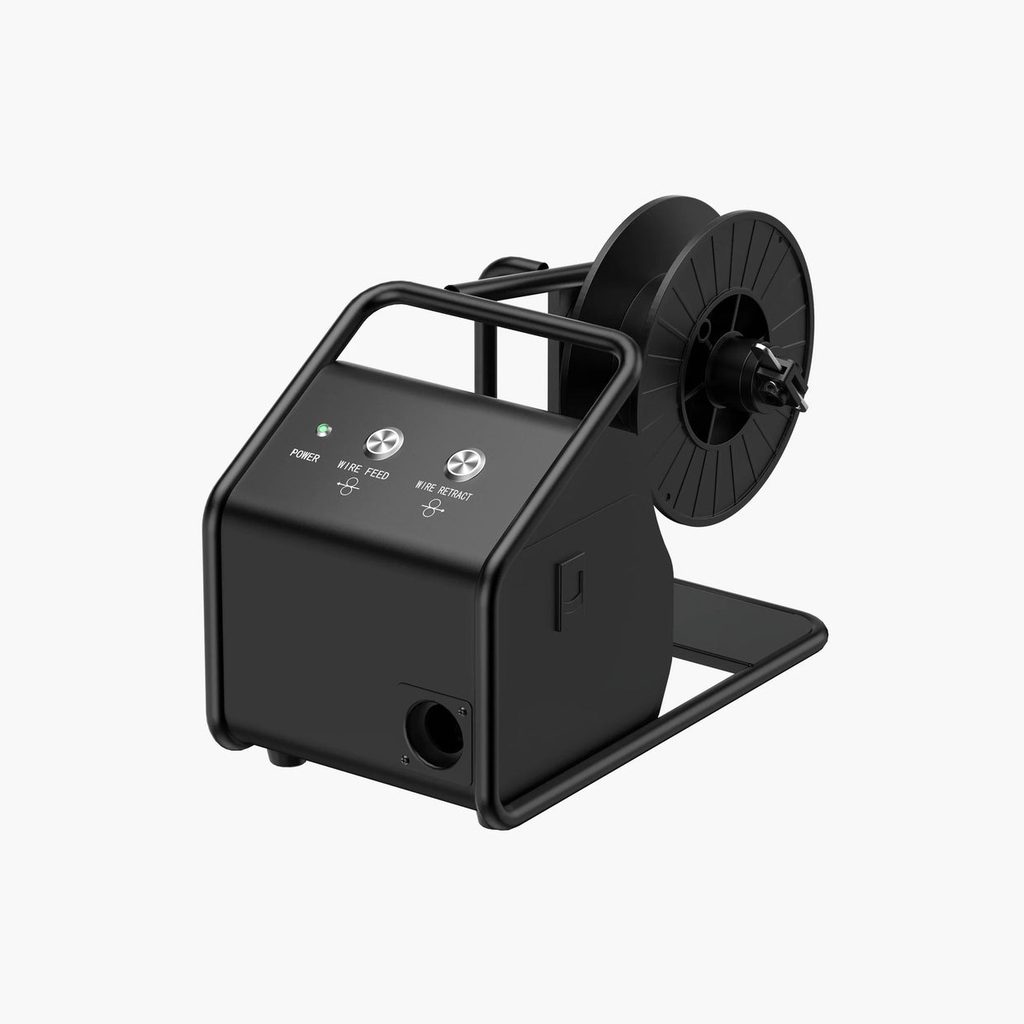
Wire Feeders, Reels, and Filler Compatibility
Autogenous welding, without added filler, works for many stainless and thin aluminum joints, but any gap larger than a few tenths of a millimeter needs wire. The feeder must match the wire diameter range, spool size, and material type. A feeder that handles stainless perfectly may crush aluminum wire because the drive rollers are too aggressive.
Practical guidance for feeder selection breaks down into a short evaluation:
- Confirm the feeder supports the smallest wire diameter you plan to use, since undersized wire slips in oversized drive systems.
- Check that roller sets can be swapped for U-groove profiles when running soft aluminum.
- Verify spool compatibility with both small hand-carry reels and standard fifteen-kilo production reels.
Feeders that cover this range keep the shop from stocking parallel systems for different materials, which is one of the quiet wins that keeps aisles clear and inventory sane.
Shielding Gas, Regulators, and Delivery Hardware
Shielding is where many operators cut corners and pay for it in weld quality. A worn regulator, a leaky quick-disconnect, or an undersized hose starves the weld zone during peak flow demand, leaving oxide streaks or porosity. Match regulator output range to the highest flow rate your welder can call for, and use hose sized generously enough that pressure drop stays flat under load.

Argon is the default for most steel and aluminum work. Nitrogen sees more use on copper and some stainless applications where cost and post-weld appearance matter. Whichever gas you run, keep at least one full spare cylinder staged and rotate the empty out the moment the primary drops below a working level. Running a cylinder to zero mid-weld ruins the joint and often the surrounding area too.
Cooling, Safety Gear, and Operator PPE
Chillers and cooling loops are quietly critical. A laser source that overheats derates its output before it faults, meaning the operator sees inconsistent welds without any obvious cause. Confirm coolant type, monitor flow indicators daily, and replace filters on the manufacturer schedule rather than waiting for warnings.
PPE for laser welding is stricter than arc work in one specific area: eye protection. The goggles must be rated for the specific wavelength of the laser source, not a general welding shade. Standard auto-darkening arc helmets do not block near-infrared, and using them creates a false sense of safety. Providers like Xlaserlab publish wavelength-matched eyewear alongside their systems, which removes the guesswork during initial setup.
Building a Practical Accessory Kit
A working accessory inventory for a small production shop tends to settle into a repeatable pattern within the first quarter of use. Three to four nozzle profiles, two focal-length lenses, a rotating stock of protective windows, one feeder with swappable rollers, matched regulators for the gases in use, and a well-organized PPE cabinet cover most day-to-day work. Beyond that, additions should be driven by the job audit rather than the catalog, so the shelf stays useful instead of cluttered.
Documenting which accessory is used with which job type on a simple card next to the welder trims setup time noticeably. New operators reach production quality faster because the choices that used to live in a senior welder’s head are now visible and repeatable.
Buy for the Weld in Front of You
The most reliable accessory decisions come from watching the work, not the marketing. A welder that consistently produces clean beads, holds tolerance on thin material, and switches between alloys without drama is almost always paired with peripherals chosen for that specific job mix. Nozzles that reach the joint, lenses that match the geometry, feeders that handle the softest wire you run, gas hardware that never starves the arc, and PPE that matches the wavelength: those are the pieces that turn a capable machine into a productive workstation. Start with the audit, stock the essentials, and let the shelf grow only when a real job proves the need. That discipline keeps the capital efficient and the welds consistent long after the first purchase order clears.