
Is a Prepaid Mobile Hotspot Worth It for Frequent Travelers?
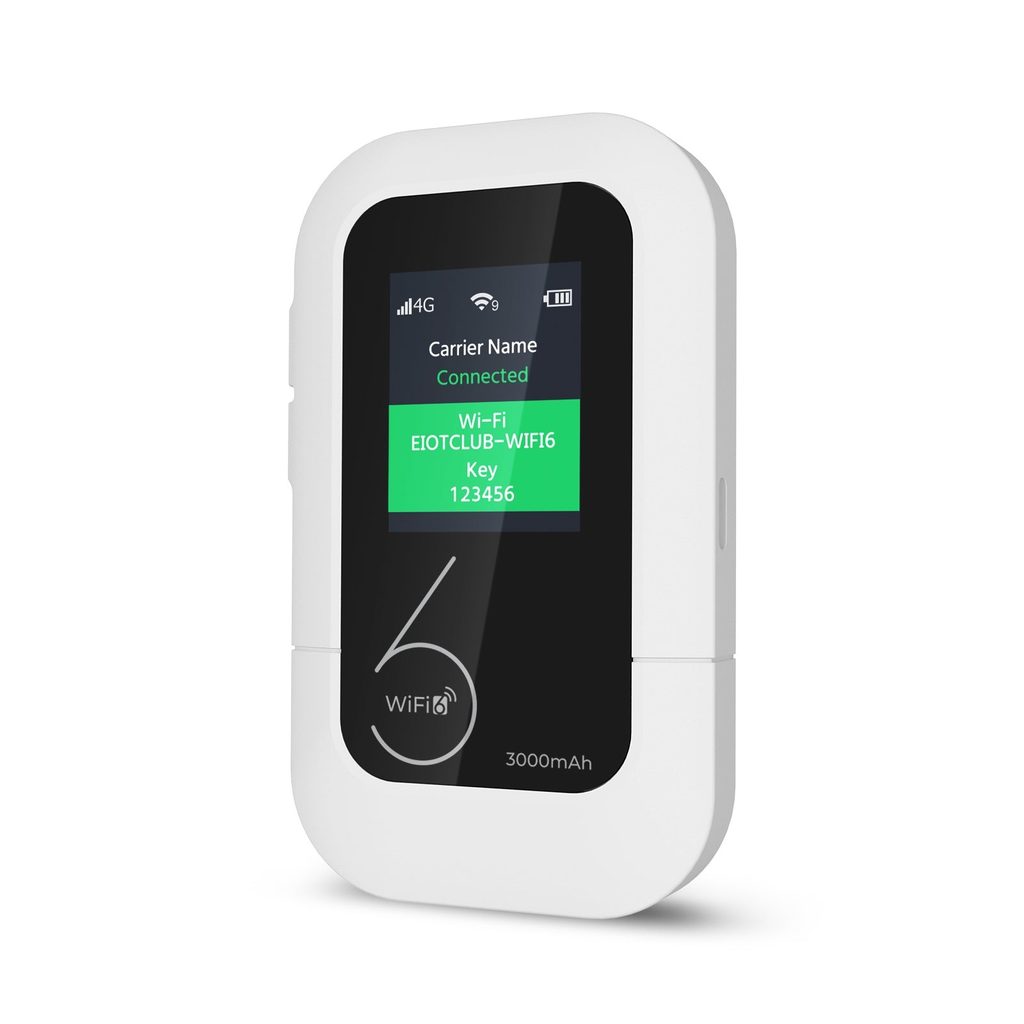
Anyone who has relied on hotel Wi-Fi for a video call, only to watch it freeze mid-sentence, knows the feeling of wishing they had brought their own connection. That is the question a lot of frequent travelers eventually ask themselves: is it actually worth carrying a dedicated hotspot device, or is public and hotel Wi-Fi good enough? The honest answer depends on how often you travel, how many devices you need online at once, and how much you rely on stable internet for work rather than just casual browsing. A prepaid mobile hotspot gives you a private, portable network that does not depend on whatever router a hotel or coworking space happens to have. This article breaks down when it actually pays off, what to look for in a device and data plan, and how to avoid the common mistakes that leave people disappointed with their purchase.
When a Personal Hotspot Actually Makes Sense
If your trips are occasional and short, tethering off your phone or using free Wi-Fi might genuinely be enough. But for people who travel weekly, work remotely from different cities, or need multiple devices connected at once, like a laptop and tablet running simultaneously, a dedicated hotspot changes the experience noticeably. Phone tethering drains your battery fast and eats into your personal data plan, while a separate hotspot device keeps that load off your phone entirely and often supports more connected devices at once.
Remote workers benefit the most from this setup because it gives them a consistent network regardless of location, whether that is a co-working space with unreliable Wi-Fi or an Airbnb where the router is tucked away with a weak signal upstairs. Families on road trips also find it useful, since kids streaming shows in the back seat no longer competes with the driver needing GPS navigation on a single connection.
What Actually Matters When Choosing a Plan
Prepaid plans vary a lot in how they structure data limits, and the fine print matters more than the headline number. Some plans throttle speed after a certain threshold rather than cutting off access entirely, which can be fine for browsing but frustrating for video calls or large file uploads. Others cap total data hard, which works better if you know roughly how much you use per trip and want predictable costs.
Coverage footprint is just as important as data volume. A hotspot is only useful if it connects reliably wherever you are actually going, so check whether the plan runs on a major national network or a smaller regional one that may lose strength outside cities. Travelers comparing options for a prepaid mobile hotspot often find it helpful to match the plan’s coverage map against their typical travel routes before committing, rather than assuming all providers perform the same everywhere.
Battery Life and Device Portability
A hotspot device is only as useful as its battery allows it to be. If you are moving between meetings or spending a full day out sightseeing, a device that needs recharging by early afternoon will leave you stranded exactly when you need it. Look for realistic battery ratings rather than best-case marketing numbers, and consider whether the device supports charging while in use, since that flexibility matters on long travel days.
Avoiding Common Setup Mistakes
The most frequent complaint from first-time hotspot users is not about the device itself but about activation timing. Buying a plan the morning of a trip and expecting instant activation can lead to unnecessary stress if there is a delay. Setting up and testing the hotspot a day or two ahead, while still connected to home Wi-Fi, avoids this entirely. It is also worth renaming the network and setting a strong password immediately, since a default network name broadcasting nearby can be an easy target in busy public spaces like airports or train stations.
Eiotclub’s approach to prepaid mobile hotspots leans into this kind of practical readiness, prioritizing plans that activate quickly and stay consistent across a trip rather than requiring constant management. For anyone who has dealt with unreliable shared Wi-Fi one too many times, that consistency alone often justifies the cost.
Weighing Convenience Against Cost
A prepaid mobile hotspot is not necessary for every traveler, but for anyone who travels often, works remotely, or needs multiple devices online at once, it removes a recurring source of frustration. The value comes down to matching the plan and device to your actual travel patterns, checking real coverage rather than advertised numbers, and testing everything before you actually need it on the road. Once set up correctly, it becomes one less thing to worry about, letting you focus on the trip itself instead of whether the hotel router can handle a video call.