
Stop Losing Shots: Choosing Action Camera Tripods That Work
Action cameras are built to survive mud, spray, and tumbles, so it is easy to assume they do not need much support. Clip one to a helmet, stick it on a chest strap, and let the wide lens handle the rest. Yet a surprising amount of adventure footage ends up unusable for reasons that have nothing to do with the camera itself. The horizon tilts after a gust of wind knocks the camera sideways. A sunset timelapse drifts because the rock it was balanced on was not quite flat. A group shot at the summit is cropped awkwardly because nobody could get the lens high enough.
The right stand or grip solves those problems, but only if it suits the way action cameras are actually used: outdoors, on uneven ground, and often in a hurry. This guide walks through the most common mistakes people make when picking supports for small, rugged cameras, then explains how to match a setup to specific activities and how to run a quick stability check before you hit record.
Why Rugged Cameras Still Need Solid Support
An action camera’s small size is both its biggest strength and its biggest weakness. It weighs so little that a light breeze or an accidental brush of a backpack strap can knock it out of alignment. Its ultra-wide lens hides some shake, but it also exaggerates a crooked horizon, so any tilt becomes obvious on playback. And because most people mount it on their body, the footage tends to come from the same first-person height, which gets repetitive quickly in an edit.
Purpose-built Action Camera Tripods address all three issues. They hold the camera still for timelapses and interviews, give you a level base on imperfect terrain, and let you step out of the first-person view to capture yourself in the scene. The goal is not to replace body mounts but to add static and third-person angles that make a finished video feel complete.
Mistakes That Cost You Good Footage
Buying a Studio Tripod for Trail Use
Full-size tripods are excellent indoors, yet they are heavy, slow to deploy, and awkward to strap to a pack. On a long hike, a big tripod usually stays in the car. A compact, travel-oriented support that clips to a strap or slides into a hip pocket will be used far more often, and frequent use matters more than raw height.
Ignoring the Terrain You Actually Shoot On
Rigid legs need flat ground, and trails, beaches, and campsites rarely offer it. If you often shoot on rocks, logs, or fence posts, flexible legs that wrap and grip give you options a straight-legged stand cannot. Designs like the GorillaPod family were created precisely for this kind of uneven, unpredictable surface.
Forgetting About Handheld Mode
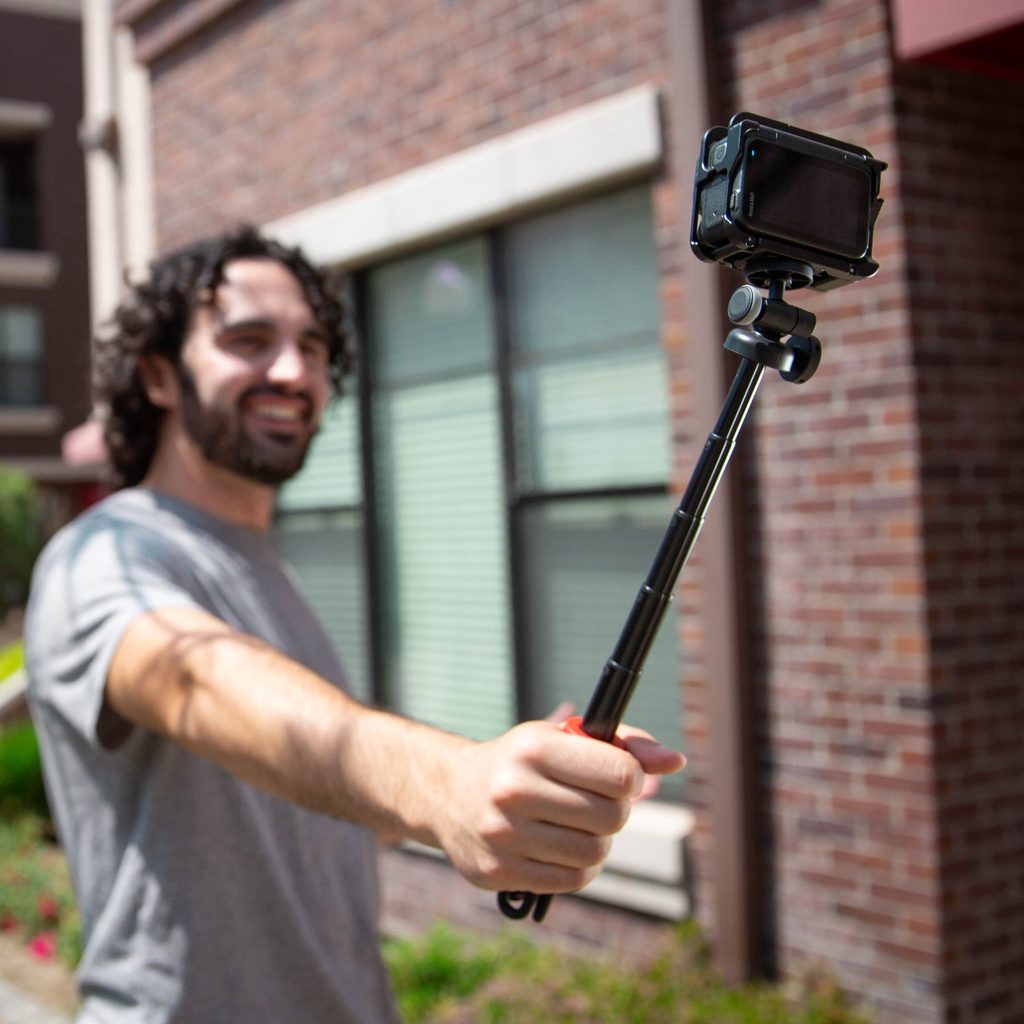
Many adventures involve walking or talking to the camera while moving. A support that also works as a comfortable grip, ideally with a telescoping section, covers both stationary and moving shots. Grip-style tripods with a wireless remote go one step further, letting you start and stop recording without reaching for the camera and shifting the frame.
Overlooking the Mount Connection
Most action cameras use either a standard tripod thread or a proprietary fingers-style mount. Check whether your camera needs an adapter, and keep that adapter attached to the tripod so it never gets left behind. A loose or missing adapter is one of the most common reasons a planned shot never happens.
Skipping the Stability Check
Even a good tripod can fail if the head is not tightened or one leg is resting on loose gravel. Taking a few seconds to press lightly on the camera and watch for wobble prevents the heartbreak of discovering a ruined timelapse back at home.
Matching Your Support to the Activity
Different adventures reward different setups. Thinking about where you will be shooting before you pack keeps your kit light and genuinely useful.
Hiking and Trail Running
Weight and speed dominate here. A pocket-sized telescoping tripod handles summit selfies, trail timelapses, and walk-and-talk clips. Clip it to a shoulder strap so it is reachable without stopping for long or digging through a pack.
Beach, Lake, and Water Days
Sand and water are hard on moving parts. Rinse the tripod with fresh water after use, keep the ball head clean, and avoid planting the legs directly in soft wet sand, where they sink unevenly and tilt the shot. A flat rock or cooler lid makes a much steadier base.
Cycling and Urban Exploring
Flexible legs shine in the city. Wrap them around a railing, signpost, or a parked bike frame to catch riders passing by or to record a street scene from an unusual angle. Always test the grip before letting go, especially on smooth metal surfaces that can let legs slide.
Snow and Cold Weather
Cold makes plastics stiffer and batteries weaker. Keep spare batteries in an inside pocket, and wear thin gloves that let you tighten the head without exposing your fingers. Stamp down a small flat spot in the snow before setting down rigid legs.
Camping and Night Skies
Evenings at camp produce some of the most memorable footage, from firelit conversations to star-filled timelapses. Low light means longer exposures, and longer exposures reveal every tiny movement. Set the tripod low on a flat rock or cooler, keep it away from foot traffic around the fire, and use a remote so you never touch the camera once recording starts. Turn off headlamps pointed toward the lens to avoid flare.
Capturing Third-Person Angles When You Shoot Solo
Solo adventurers often come home with hours of first-person clips and almost no footage of themselves in the landscape. A small tripod fixes this with a simple technique. Set the camera up ahead on the trail, frame a wide shot that includes the path, start recording, then walk back and pass through the frame naturally. Return to collect the camera and continue. It takes a couple of minutes, but a handful of these shots gives an edit a sense of scale and story that body-mounted footage cannot provide. For cycling or paddling, place the camera at a bend in the route so you move toward and past the lens, which creates a more dynamic shot than riding straight away from it.
A Quick Field Routine for Steady Shots
Once your gear is chosen, a repeatable routine makes the difference between rushed footage and clean, stable clips.
- Pick the base first: choose the flattest, most solid surface available, or a pole or branch for flexible legs.
- Level the horizon: use the camera’s on-screen grid or a nearby horizontal line as a guide.
- Lock everything: tighten the ball head and any leg joints, then give the camera a light tap to check for movement.
- Protect against wind: lower the height, widen the stance, and shield the camera with your body if needed.
- Trigger remotely: use a remote or the companion app to avoid bumping the camera when you start recording.
Practicing this routine at home makes it second nature. Within a few outings, you will set up a stable shot in less time than it takes to unwrap a trail snack.
Carrying Your Kit Without the Hassle
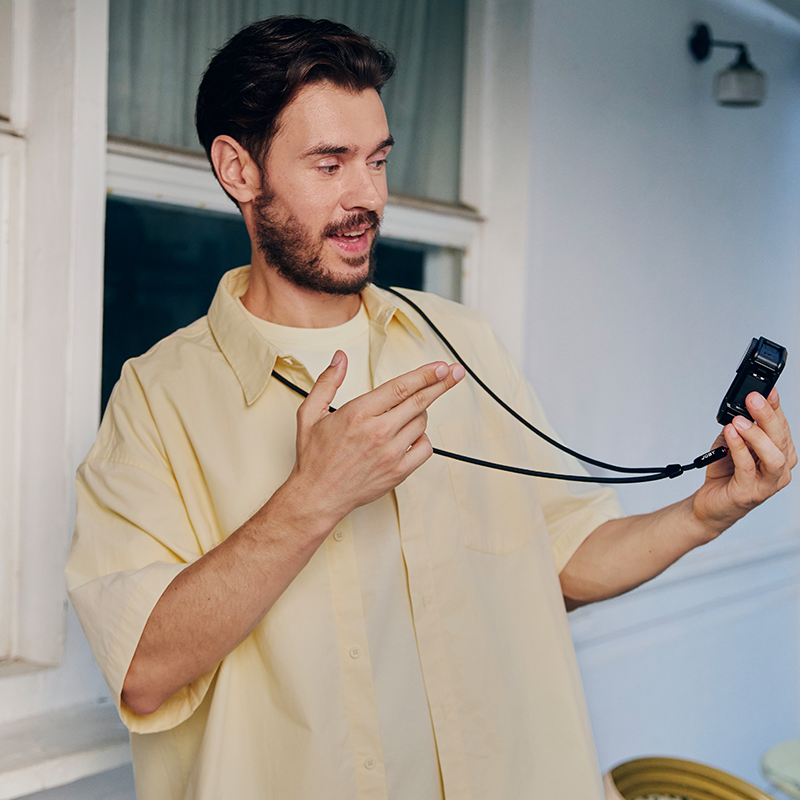
A support is only useful if it is within reach. Lanyards and strap clips keep compact tripods and the camera itself attached to you, which matters on boats, ridgelines, and busy streets where dropping gear often means losing it. JOBY builds its CarryLine lanyards with this kind of on-the-move shooting in mind, and pairing one with a compact tripod creates a kit you can deploy in seconds.
Steady Footage for Every Adventure
Action cameras capture incredible moments, but the footage only shines when the camera is held level, steady, and in the right spot. The mistakes that ruin clips are usually simple: a tripod too heavy to bring, legs that cannot handle uneven terrain, a forgotten adapter, or a head that was never tightened. Avoiding them does not require a big investment, just a thoughtful choice and a few good habits.
Choose a support that suits the places you explore, whether that means flexible legs for rocks and railings, a telescoping grip for walk-and-talk clips, or a compact stand that disappears into a pocket. Build a quick setup routine, check stability every time, and keep your kit clipped where you can reach it. With those pieces in place, your next adventure edit will have the static shots, third-person angles, and clean horizons that make it worth watching.