Stop Sending Your Personal Files to Someone Else’s Server
Every time you upload a photo, ask a chatbot for advice, or store a document in the cloud, that information passes through infrastructure owned by someone else. For most people this has become so routine that it barely registers, yet it means a stranger’s company is holding copies of conversations, images, and files that were never meant to leave your own devices.
A personal ai server flips that arrangement. Instead of renting space on a distant data center, you run your own AI-powered environment on hardware you physically own. Photos stay put, chats never leave your network, and there’s no third party quietly building a profile from your daily activity. For anyone who has grown uneasy about where their digital life actually lives, this shift is worth understanding in detail.
What Makes a Personal AI Server Different From the Cloud
Cloud AI services process your requests on servers you’ll never see, governed by terms of service you probably never read in full. A personal ai server reverses that model entirely. The hardware sits in your home or office, the software runs locally, and the only person with administrative access is you.
This distinction matters most for people who handle sensitive material regularly, freelancers managing client contracts, families keeping years of photos, or small business owners storing financial records. Rather than trusting a provider’s privacy policy, they get direct, physical control over where their data actually resides.
Setting Up a Home AI System Without Needing a Computer Science Degree
The biggest barrier to self-hosted AI used to be complexity. Configuring servers, managing storage, and keeping software updated required real technical skill, which kept most people locked into commercial cloud platforms by default.
Choosing Hardware That Fits Your Space
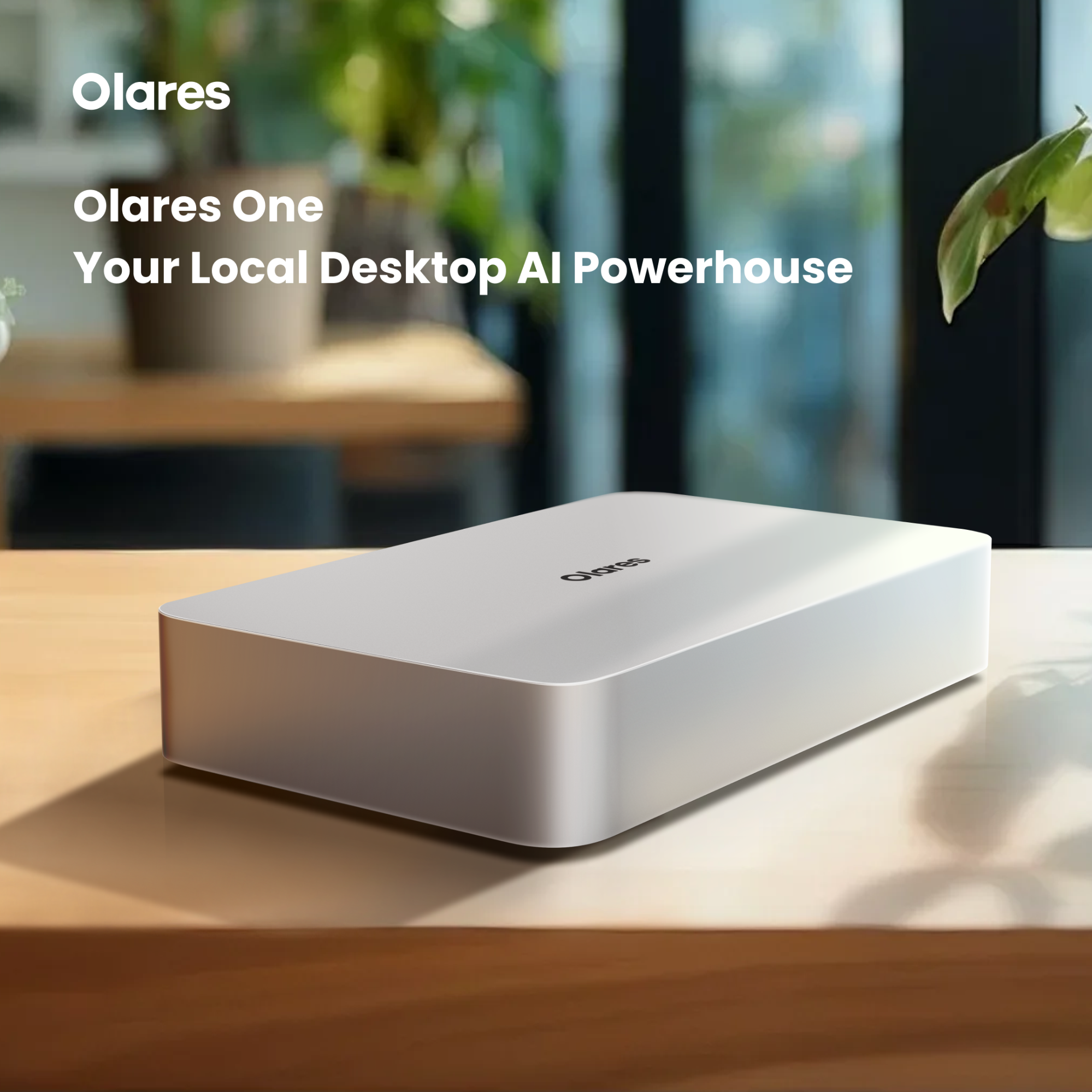
You don’t need a server rack to get started. Compact devices designed for home use now pack enough processing power to run AI models, file storage, and media services simultaneously, all while fitting on a shelf. Look for a device with expandable storage and enough memory to handle multiple applications without slowing down.
Getting the Software Running in an Afternoon
Modern personal server platforms handle most of the setup automatically. Olares, for example, is built specifically to make this kind of self-hosting approachable, guiding new users through installation with a simple interface rather than a command-line manual. Within a few hours, most people can have file storage, private AI chat, and photo backup running side by side.
Everyday Ways People Use a Personal AI Server
Once the system is running, the practical benefits show up quickly in daily routines rather than abstract privacy arguments.
Photographers back up full-resolution shoots without a monthly storage bill. Parents keep a private, searchable archive of family photos that no algorithm scans for advertising. Remote workers run personal ai server tools to summarize documents and draft messages without sending client information anywhere outside the building. Each of these uses shares the same underlying benefit: the convenience of AI, minus the exposure of a shared cloud account.
Handling Sensitive Documents With Confidence
Contracts, medical records, and financial statements can be processed by local AI tools for summarizing or searching, all without ever transmitting the file to an external company. This matters especially for professionals bound by confidentiality obligations, where uploading a client file to a public AI tool could create real liability.
Bringing AI Home, One Server at a Time
Owning a personal ai server isn’t about rejecting modern technology, it’s about deciding who gets to hold onto your files, photos, and conversations. The setup process has become simple enough for non-technical users, and the daily payoff is control that cloud subscriptions simply can’t offer.
As more households and small businesses look for alternatives to constant cloud dependency, self-hosted systems are becoming a practical middle ground: modern AI capability, running on hardware that never leaves your sight.