
How to Source Furniture from Foshan, China: A Practical Guide for International Buyers
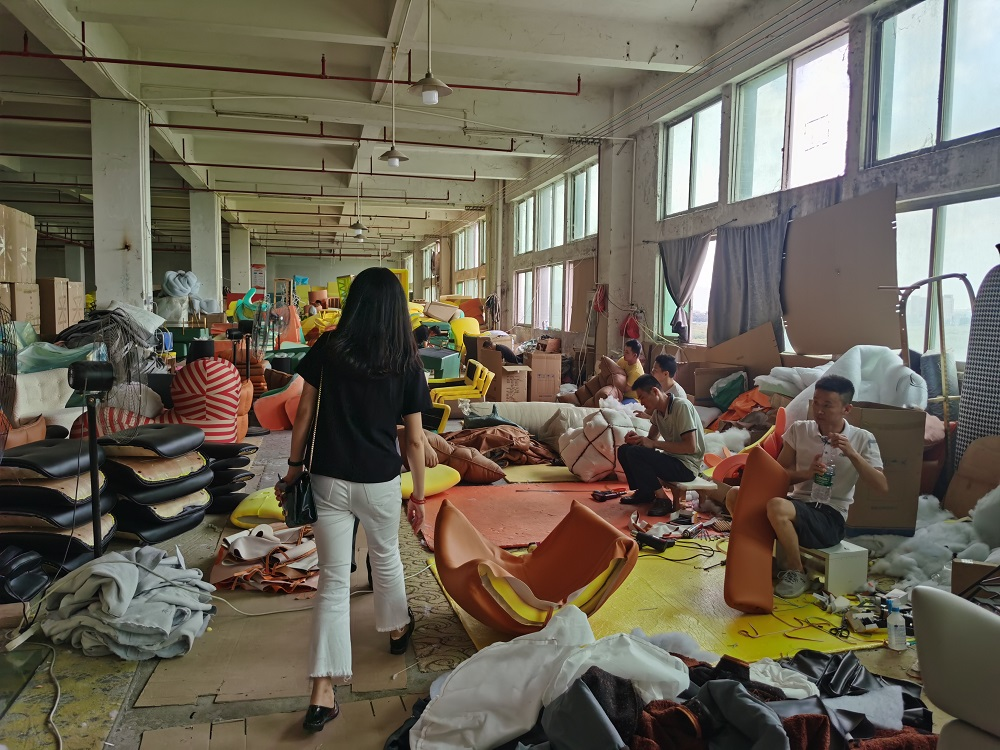
Foshan is one of China’s most important furniture manufacturing and wholesale centers. International buyers visit the city to source home furniture, office furniture, hotel furniture, outdoor furniture, lighting, building materials, and customized interior products.
The region offers access to large furniture malls, factory showrooms, trading companies, and specialized manufacturers. Buyers can compare thousands of designs within a relatively concentrated area.
However, sourcing furniture from Foshan involves more than choosing attractive products from a showroom.
Furniture orders require careful control of dimensions, materials, colors, construction, packaging, container loading, and quality inspection. Mistakes can be expensive because furniture is bulky, difficult to return, and highly vulnerable to transportation damage.
This guide explains how international buyers can source furniture from Foshan more safely and efficiently.
Why Is Foshan Known for Furniture?
Foshan is located in Guangdong Province, near Guangzhou and several major manufacturing and export hubs in South China.
The area has developed a large furniture supply chain that includes:
- Furniture manufacturers
- Material suppliers
- Hardware suppliers
- Fabric and leather suppliers
- Foam manufacturers
- Packaging companies
- Furniture showrooms
- Wholesale markets
- Export companies
- Inspection and logistics providers
This concentration allows buyers to source complete furniture collections rather than working with only one product category.
A buyer furnishing a hotel, apartment, restaurant, or retail store may be able to source:
- Beds
- Sofas
- Dining tables
- Chairs
- Cabinets
- Desks
- Outdoor furniture
- Lighting
- Mirrors
- Decorative items
- Bathroom furniture
- Doors and building materials
The supply-chain concentration can reduce product-search time, but it also creates a large number of supplier choices that must be evaluated carefully.
What Furniture Can Buyers Source from Foshan?
Common categories include:
- Living Room Furniture
- Sofas
- Coffee tables
- Television cabinets
- Side tables
- Lounge chairs
- Display cabinets
- Bookshelves
- Bedroom Furniture
- Beds
- Mattresses
- Bedside tables
- Wardrobes
- Dressers
- Benches
- Mirrors
- Dining Furniture
- Dining tables
- Dining chairs
- Bar stools
- Sideboards
- Restaurant tables
- Banquet furniture
- Office Furniture
- Office desks
- Executive desks
- Workstations
- Office chairs
- Filing cabinets
- Conference tables
- Reception furniture
- Hotel Furniture
- Guest-room furniture
- Lobby furniture
- Restaurant furniture
- Banquet furniture
- Outdoor Furniture
- Garden chairs
- Patio tables
- Outdoor sofas
- Sun loungers
- Umbrellas
- Rattan furniture
- Aluminum furniture
- Custom Furniture
- Built-in cabinets
- Hotel casegoods
- Retail displays
- Apartment furniture packages
- Restaurant seating
- Customized sofas
- Project furniture
Foshan can support both ready-made wholesale purchases and customized project orders.
Who Should Source Furniture from Foshan?
Foshan may be suitable for:
- Furniture retailers
- Wholesalers
- Interior designers
- Hotels and resorts
- Property developers
- Restaurant owners
- Office-furniture dealers
- E-commerce furniture sellers
- Construction companies
- Importers furnishing multiple properties
- Buyers creating private-label furniture collections
The area can also be useful for buyers who need furniture and related building products from one regional supply chain.
However, small buyers should calculate logistics carefully. Furniture takes up significant shipping space, so a low factory price does not always produce a low landed cost.
Foshan Furniture Markets vs. Factories
International buyers can source through furniture markets, showrooms, or factories.
Each channel serves a different purpose.
Furniture Markets and Showrooms
Furniture markets allow buyers to view many designs in one location.
Advantages include:
- Fast product discovery
- Physical sample inspection
- Large design selection
- Easier price comparison
- Access to multiple categories
- Ready-made or existing designs
Possible disadvantages include:
- Some showrooms are operated by trading companies.
- Displayed products may come from several factories.
- Showroom prices may be higher than direct factory prices.
- The displayed sample may not represent mass-production quality.
- Customization capability may be limited.
Markets are useful for understanding styles, prices, and available materials.
Direct Factories
Factories may provide:
- Better production transparency
- Stronger customization
- More control over materials
- Lower prices for larger quantities
- Direct technical communication
- Better support for project furniture
Possible disadvantages include:
- Higher minimum order quantities
- Smaller product selection
- Longer product-search process
- Limited English communication
- Less export coordination
- Greater need for quality control
A buyer can use furniture markets for product discovery and then investigate whether direct factory cooperation is appropriate.
Step 1: Define the Furniture Project
Before contacting suppliers, prepare a clear sourcing brief.
The brief should include:
- Furniture category
- Target market
- Intended use
- Required quantities
- Product dimensions
- Preferred style
- Materials
- Colors
- Fabric or leather requirements
- Hardware requirements
- Packaging requirements
- Target price
- Delivery deadline
- Destination country
- Expected shipping method
Project buyers should also provide:
- Floor plans
- Room quantities
- Furniture schedules
- Reference images
- Installation requirements
- Fire-safety requirements
- Commercial-use requirements
A clear project brief makes supplier quotations more accurate and easier to compare.
Step 2: Create a Furniture Specification Sheet
Furniture can look similar while using very different materials and construction methods.
A detailed specification sheet may include:
- Product name
- SKU
- Overall dimensions
- Seat height
- Seat depth
- Frame material
- Wood species
- Board type
- Foam density
- Fabric composition
- Leather type
- Hardware brand
- Surface finish
- Color code
- Maximum load
- Assembly method
- Packaging method
- Carton dimensions
- Required tests
For upholstered furniture, specify whether the material is:
- Genuine leather
- Split leather
- Bonded leather
- Microfiber leather
- PVC
- PU
- Woven fabric
- Velvet
- Linen blend
Descriptions such as “high-quality leather” or “solid wood” are not precise enough.
Step 3: Establish the Target Landed Cost
Furniture buyers should not evaluate only the showroom or factory price.
The complete landed cost may include:
- Product cost
- Samples
- Customization
- China domestic transportation
- Inspection
- Protective packaging
- Warehouse handling
- Container loading
- International freight
- Customs duties
- Import taxes
- Port charges
- Local delivery
- Installation
- Damage allowance
Furniture shipping costs are strongly affected by volume.
A sofa with a low purchase price may still be expensive when its packaging occupies a large amount of container space.
Buyers should request estimated carton dimensions before confirming the order.
Step 4: Research Furniture Suppliers
Potential suppliers may be found through:
- Foshan furniture markets
- Factory visits
- Alibaba
- 1688
- Trade fairs
- Furniture exhibitions
- Industry directories
- Sourcing companies
- Referrals
- Hotel and project-furniture networks
Create a shortlist based on:
- Product specialization
- Production capability
- Export experience
- Target-market experience
- Customization ability
- Quality-control process
- Minimum order quantity
- Lead time
- Communication
- Price range
Do not assume that a supplier producing sofas is equally capable of producing beds, cabinets, and dining furniture.
Furniture manufacturing involves different materials, equipment, and production skills.
Step 5: Determine the Supplier Type
The supplier may be:
- A factory
- A showroom
- A trading company
- An export company
- A wholesaler
- A project-furniture contractor
Each type can be useful.
A trading company may combine products from several factories and provide better communication.
A direct manufacturer may offer stronger customization and production control.
Ask:
- Do you manufacture this product?
- Where is the factory?
- Which production steps are completed in-house?
- Which processes are outsourced?
- Can the factory be visited?
- Who will receive payment?
- Who is responsible for quality problems?
- Can different furniture categories be consolidated?
Transparency is more important than whether the company is officially described as a factory or trading business.
Step 6: Visit the Showroom or Factory
An in-person visit can help buyers evaluate:
- Product appearance
- Comfort
- Dimensions
- Materials
- Surface finish
- Moving parts
- Drawers and doors
- Stitching
- Packaging samples
- Supplier communication
A factory visit may also reveal:
- Production equipment
- Material storage
- Work-in-progress products
- Quality-control procedures
- Packaging area
- Production capacity
- Outsourced processes
- Similar customer projects
A clean showroom does not prove that the supplier has strong production capability.
For larger orders, visiting the production location provides more useful information than visiting only a sales office.
Step 7: Compare Materials Carefully
Material differences can significantly affect furniture price, durability, and customer satisfaction.
Wood and Board Materials
Furniture may use:
- Solid wood
- Plywood
- Medium-density fiberboard
- Particleboard
- Veneer
- Laminated board
- Mixed wood structures
Ask which parts use which materials.
A product described as “solid wood furniture” may use solid wood only for visible components, with engineered board used elsewhere.
Metal Materials
Confirm:
- Steel or aluminum type
- Tube thickness
- Sheet thickness
- Welding quality
- Surface treatment
- Powder coating
- Rust protection
Foam
For sofas, chairs, and mattresses, confirm:
- Foam density
- Foam thickness
- Rebound performance
- Layer structure
- Fire-related requirements
Low-density foam may feel acceptable in a showroom but lose shape after regular use.
Fabric and Leather
Confirm:
- Material composition
- Weight
- Abrasion resistance
- Colorfastness
- Cleaning requirements
- Batch consistency
- Fire-retardant requirements
- Sample availability
Use approved material samples and color references.
Computer screens and phone photographs cannot reliably confirm fabric or leather colors.
Step 8: Request Detailed Quotations
A useful furniture quotation should include:
- Product code
- Product photo
- Dimensions
- Materials
- Color
- Unit price
- MOQ
- Packaging
- Carton dimensions
- Gross weight
- Net weight
- Production lead time
- Customization fee
- Sample fee
- Payment terms
- Shipping terms
- Quotation validity
Ask whether the price includes:
- Assembly hardware
- Instructions
- Protective covers
- Export cartons
- Wooden crates
- Pallets
- Loading
- Domestic delivery
A low quotation may exclude important packaging or finishing details.
Step 9: Order Samples
Samples are especially important for:
- Chairs
- Sofas
- Mattresses
- Customized furniture
- New materials
- New finishes
- Private-label products
A sample review may examine:
- Overall appearance
- Comfort
- Dimensions
- Stability
- Construction
- Material quality
- Color
- Surface finish
- Hardware
- Assembly
- Packaging
Large furniture samples can be expensive to produce and ship.
For project furniture, buyers may approve:
- Material boards
- Fabric samples
- Finish samples
- Hardware samples
- One full mock-up room
- One complete production sample
The approved sample becomes the production reference.
Step 10: Confirm Colors and Finishes
Furniture color variation is a common source of disputes.
Color can vary because of:
- Wood grain
- Paint batches
- Fabric batches
- Leather batches
- Lighting conditions
- Screen settings
- Surface preparation
- Production timing
Use physical color samples whenever possible.
Approval records may include:
- Pantone reference
- RAL reference
- Fabric code
- Leather code
- Wood finish panel
- Approved physical sample
- Signed material board
For products supplied in sets, confirm that color consistency is required across all pieces.
Step 11: Confirm Dimensions and Tolerances
Small dimensional differences can create serious project problems.
Step 12: Review Construction Quality
Furniture inspection should include hidden construction, not only external appearance.
Possible checks include:
- Frame construction
- Joint strength
- Welding
- Screws and connectors
- Drawer slides
- Hinges
- Internal supports
- Edge sealing
- Stitching
- Foam attachment
- Surface preparation
- Load-bearing points
Ask the supplier to explain how the product is assembled.
For high-value or commercial furniture, destructive testing of one sample may reveal construction problems that are not visible externally.
Step 13: Confirm Hardware and Accessories
Hardware can strongly influence furniture durability.
Confirm:
- Hinge type
- Drawer-slide type
- Connector material
- Screw size
- Handle material
- Leg material
- Wheel quality
- Lock type
- Spare hardware
- Installation tools
For furniture requiring assembly, request:
- Assembly manual
- Numbered components
- Labeled hardware bags
- Spare screws
- Installation video
- Clear carton identification
Poorly organized hardware can create installation delays even when the furniture itself is acceptable.
Step 14: Negotiate Minimum Order Quantities
Furniture MOQs can apply to:
- Product model
- Color
- Fabric
- Finish
- Packaging
- Production batch
A supplier may accept a small quantity of one standard design but require higher quantities for custom materials or colors.
Buyers can negotiate:
- Mixed colors
- Mixed models
- Shared container quantities
- Standard materials
- Existing finishes
- Higher product price for lower MOQ
- Pilot order
- Sample order
For project furniture, the supplier may accept lower quantities because the total project value is high.
Step 15: Confirm Production Lead Time
Furniture production timelines depend on:
- Product complexity
- Material availability
- Customization
- Order quantity
- Factory schedule
- Packaging requirements
- Inspection
- Holiday periods
A typical timeline may include:
- Material confirmation
- Sample approval
- Raw-material preparation
- Frame production
- Surface treatment
- Upholstery
- Assembly
- Packaging
- Inspection
- Rework
Ask the supplier to provide a production schedule rather than only a final completion date.
Build additional time into the plan for inspection and corrections.
Step 16: Establish Payment Terms
Common payment structures may include:
- Deposit before production
- Balance before shipment
- Balance after inspection
- Progress payments for large projects
Before paying, verify:
- Supplier legal identity
- Payment beneficiary
- Quotation
- Purchase order
- Specifications
- Production schedule
- Inspection arrangement
- Rework responsibility
Where commercially possible, connect final payment to successful inspection and correction of major problems.
The payment terms should be agreed before the deposit is transferred.
Step 17: Create a Quality-Control Plan
Furniture quality control may include:
- Material Inspection
- Confirm wood, board, metal, foam, fabric, leather, and hardware before production.
- First-Article Inspection
- Review the first completed production unit.
- During-Production Inspection
- Check workmanship and production progress before the entire order is completed.
- Pre-Shipment Inspection
- Inspect finished and packaged products before final payment and loading.
- Container-Loading Supervision
- Verify quantities, carton condition, and loading arrangement.
The inspection plan should be based on product risk, order value, and supplier history.
Step 18: Conduct Pre-Shipment Inspection
A furniture inspection may include:
- Quantity
- Product dimensions
- Color
- Material
- Surface finish
- Stability
- Assembly
- Function
- Workmanship
- Hardware
- Accessories
- Packaging
- Carton markings
Possible defects include:
- Scratches
- Dents
- Cracks
- Uneven paint
- Color variation
- Loose joints
- Incorrect dimensions
- Poor welding
- Damaged fabric
- Weak stitching
- Missing hardware
- Misaligned doors
- Difficult drawers
- Unstable legs
- Poor packaging
The inspector should compare the products with the approved sample and specification sheet.
Step 19: Test Stability and Strength
Depending on the product, testing may include:
- Chair stability
- Table stability
- Sofa frame strength
- Drawer operation
- Hinge cycles
- Shelf loading
- Bed-frame loading
- Wheel movement
- Assembly testing
The exact test method should be defined before inspection.
A basic visual check cannot confirm long-term durability.
Commercial-use furniture may require stronger performance standards than residential products.
Step 20: Plan Export Packaging
Furniture is vulnerable to scratches, moisture, impact, and compression.
Possible packaging materials include:
- Foam
- Bubble wrap
- Corner protectors
- Non-woven covers
- Poly bags
- Honeycomb board
- Export cartons
- Wooden crates
- Plywood boxes
- Pallets
- Straps
Packaging should protect:
- Corners
- Glass
- Painted surfaces
- Metal finishes
- Upholstery
- Legs
- Hardware
- Decorative parts
For flat-pack furniture, confirm that components cannot move inside the carton.
For assembled furniture, packaging must balance protection with container volume.
Step 21: Optimize Container Space
Furniture shipping is often calculated by volume.
Container optimization can significantly affect the landed cost.
Possible strategies include:
- Knock-down construction
- Flat packing
- Removing detachable legs
- Nesting chairs
- Packing cushions separately
- Standardizing carton sizes
- Combining compatible products
- Loading small products inside larger empty spaces
However, aggressive space reduction can increase product damage.
The loading plan should consider:
- Product protection
- Weight distribution
- Carton strength
- Unloading sequence
- Destination requirements
Ask for a container-loading calculation before confirming the final order quantity.
Step 22: Choose Between LCL and FCL Shipping
LCL Shipping
Less-than-container-load shipping combines the buyer’s cargo with other shipments.
It may be suitable when:
- The order does not fill a container.
- The buyer is testing a product.
- Shipment volume is relatively small.
- A full container is not economical.
Possible disadvantages include:
- More handling
- Greater damage risk
- Higher per-unit destination charges
- Longer consolidation time
FCL Shipping
Full-container-load shipping provides a dedicated container.
It may be suitable when:
- The cargo volume is large.
- Furniture is fragile.
- The buyer needs better loading control.
- The order includes many furniture categories.
- Lower handling risk is important.
The decision should be based on complete cost, cargo volume, and product risk.
Step 23: Supervise Container Loading
Container-loading supervision may confirm:
- Correct products
- Correct quantities
- Carton condition
- Container condition
- Loading sequence
- Space utilization
- Weight distribution
- Container number
- Seal number
The container should be checked for:
- Holes
- Water
- Strong odor
- Contamination
- Serious damage
- Unsuitable flooring
Photographs should document the empty container, loading process, completed load, and final seal.
Step 24: Prepare Accurate Shipping Documents
Furniture shipments may require:
- Commercial invoice
- Packing list
- Bill of lading
- Product descriptions
- Customs classifications
- Country-of-origin information
- Material declarations
- Certificates
- Fumigation or wood-packaging documents where applicable
- Importer details
Product descriptions should be specific.
Instead of using only “furniture,” documents may describe:
- Wooden dining table
- Upholstered dining chair
- Metal office desk
- Wooden bedroom cabinet
Customs and import requirements vary by country, material, and product type.
Step 25: Check Destination-Market Requirements
Furniture may be subject to requirements related to:
- Fire resistance
- Formaldehyde emissions
- Chemical substances
- Flammability
- Structural safety
- Product labeling
- Textile materials
- Wood packaging
- Children’s furniture
- Upholstered products
Requirements can differ between residential, commercial, hotel, and institutional furniture.
Buyers should determine the applicable standards before production.
Shipping terms such as DDP do not make a non-compliant product acceptable.
Common Foshan Furniture Sourcing Mistakes
Choosing by Appearance Alone
A product may look attractive while using weak internal construction.
Using Vague Material Descriptions
Terms such as “solid wood,” “leather,” and “high-density foam” require clarification.
Ordering Without Samples
Photographs cannot confirm comfort, stability, or material quality.
Ignoring Carton Dimensions
Furniture can have a competitive factory price but an uneconomical shipping volume.
Approving Colors on a Screen
Physical samples provide a more reliable reference.
Failing to Inspect Hidden Construction
Frame, hardware, and joint quality may determine product durability.
Shipping Without Inspection
Furniture problems are expensive to correct after export.
Using Weak Packaging
Damage during transportation can eliminate the savings from a low purchase price.
Mixing Too Many Uncontrolled Suppliers
A project with many suppliers requires centralized order records and quality standards.
Booking a Container Too Early
Final cargo volume may change after packaging and inspection.
Assuming Every Showroom Is a Factory
Buyers should understand the actual supplier and production structure.
Example Furniture Cost Breakdown
Consider a retailer purchasing a mixed furniture collection from four Foshan suppliers.
The order includes:
- Sofas: $12,000
- Dining sets: $8,000
- Bedroom furniture: $10,000
- Office furniture: $5,000
Total product value: $35,000
Additional expenses may include:
- Samples and material approvals: $900
- China domestic transportation: $1,300
- Inspection: $850
- Packaging improvements: $1,200
- Warehouse and loading: $650
- Sea freight: $5,800
- Destination charges and clearance: $3,100
- Local delivery: $1,400
Total delivered cost before duties or taxes not already included: $50,200
The additional supply-chain costs add more than $15,000 to the product price.
The buyer should allocate these costs across the products to determine the actual landed cost of every sofa, table, chair, and cabinet.
This example is illustrative. Actual costs vary by shipment volume, destination, shipping method, and product type.
How to Compare Furniture Suppliers
Use a structured comparison sheet.
Category
- Supplier A
- Supplier B
- Supplier C
Supplier type
Factory location
Product specialization
Unit price
Materials
Dimensions
MOQ
Sample cost
Lead time
Packaging
Carton volume
Inspection support
Payment terms
Estimated landed cost
Do not compare prices until material, dimensions, construction, and packaging are aligned.
When a Foshan Sourcing Agent Helps
Furniture sourcing involves product selection, supplier communication, material confirmation, inspection, consolidation, and shipping.
A local sourcing partner may assist with:
- Furniture market navigation
- Supplier research
- Factory visits
- Translation
- Quotation comparison
- Supplier verification
- Sample collection
- Material approval
- Order placement
- Production follow-up
- Quality inspection
- Warehouse coordination
- Container planning
- Export shipping
For example, a China sourcing and fulfillment provider such as HubBuyer can help international buyers coordinate Foshan furniture suppliers, inspections, packaging, container loading, and overseas delivery.
This type of support may be useful when the buyer:
- Cannot visit China
- Works with several furniture suppliers
- Needs Chinese-language communication
- Requires customized products
- Needs one consolidated shipment
- Wants independent quality checks
- Is managing a hotel, retail, or property project
The buyer should still approve specifications, samples, materials, and final quality standards.
Questions to Ask a Foshan Furniture Supplier
Before confirming an order, ask:
- Do you manufacture this product?
- Where is the factory?
- Which materials are used?
- Which parts are solid wood?
- What type of board is used?
- What is the foam density?
- What fabric or leather specification is included?
- Which hardware is used?
- Can the dimensions be customized?
- What is the MOQ per model and color?
- What packaging is included?
- What are the packed dimensions?
- Can a sample be produced?
- What is the sample lead time?
- What is the production lead time?
- Can the factory accept independent inspection?
- What happens if products fail inspection?
- Can products be flat-packed?
- How many units fit in a container?
- Which company will receive payment?
Clear answers make supplier comparison easier and reduce misunderstandings.
Foshan Furniture Sourcing ChecklistProduct Requirements
- Furniture schedule is complete.
- Dimensions are documented.
- Materials are defined.
- Colors and finishes are approved.
- Hardware is specified.
- Commercial-use requirements are identified.
Supplier Verification
- Legal company identity is confirmed.
- Factory location is known.
- Production capability is reviewed.
- Payment beneficiary is verified.
- Similar project experience is checked.
Samples
- Material samples are approved.
- Color samples are approved.
- Full product samples are reviewed where necessary.
- Changes are documented.
- Final reference samples are retained.
Production
- Lead time is confirmed.
- Production schedule is available.
- Quality-control plan is prepared.
- Progress updates are required.
- Inspection is scheduled.
Packaging
- Packaging method is approved.
- Fragile areas are protected.
- Carton dimensions are confirmed.
- Flat-pack instructions are clear.
- Hardware is labeled and organized.
Shipping
- Final cargo volume is measured.
- LCL and FCL options are compared.
- Container loading is planned.
- Shipping documents are prepared.
- Destination requirements are checked.
Final Thoughts
Foshan provides international buyers with access to a large and highly developed furniture supply chain.
The main opportunity is the ability to compare many furniture styles, suppliers and materials in one manufacturing region.
The main risk is that furniture quality cannot be judged by showroom appearance or unit price alone.
Successful buyers control:
- Product specifications
- Material definitions
- Dimensions
- Samples
- Construction quality
- Packaging
- Container volume
- Inspection
- Shipping documentation
A slightly higher furniture price may create a lower total cost when the supplier provides stronger construction, better packaging and fewer defects.
Before placing an order, buyers should calculate the complete landed cost and confirm that the furniture can survive production, container loading, international transportation and final use.
That is the difference between simply buying furniture in Foshan and building a reliable furniture supply chain.