
The Scale and Diversity of the Industry
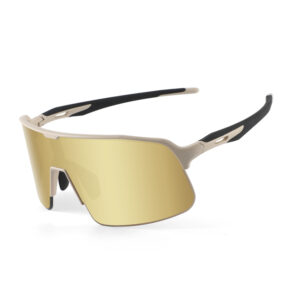
China’s sunglasses manufacturing industry is concentrated in a few key regions, each with its own strengths and specializations. Guangdong province, particularly the cities of Shenzhen and Dongguan, is home to many factories that serve the mid-range and premium markets. Zhejiang province, including the city of Wenzhou, is known for lower-cost production and high-volume promotional eyewear. Fujian province has also emerged as a significant player, with factories that serve both domestic and export markets.
The diversity of the industry is one of its strengths. A buyer can find a manufacturer for almost any type of sunglass, from simple plastic frames with basic lenses to complex acetate designs with polarized lenses and custom coatings. The key is knowing how to identify the right supplier for the specific product and market.
The Materials and Technologies Used
Sunglasses manufacturers in China work with a range of materials and technologies. The choice of material affects the appearance, durability, cost, and performance of the finished product.
Acetate is a plant-based plastic that is prized for its rich colors, depth, and ability to be polished to a high shine. It is used in premium frames and is often associated with designer brands. Acetate frames are typically made by cutting and tumbling sheets of material, a process that is labor-intensive but produces superior results.
Injection-molded plastic, including TR90 and polycarbonate, is used for lighter, more affordable frames. Injection molding allows for complex shapes and precise tolerances, making it ideal for sport and performance eyewear.
Metal frames, including stainless steel, aluminum, and titanium, are used for durability and a premium look. Metal frames are typically stamped, bent, and welded, and they may be combined with plastic or acetate temples.
Lens technology is another important consideration. Lenses may be made from CR-39, polycarbonate, or glass, and they may be treated with coatings for UV protection, polarization, anti-reflective properties, or mirror finishes. The choice of lens material and coating affects the visual performance, durability, and cost of the sunglasses.
The Manufacturing Process
The manufacturing process for sunglasses varies depending on the material and the design, but it generally follows a similar sequence.
Design and prototyping come first. The manufacturer’s design team works with the buyer to create the frame and lens specifications. Prototypes are produced and tested for fit, function, and appearance.
Tooling and mold making follow. For injection-molded frames, the manufacturer produces steel molds that will be used to produce the frames. For acetate frames, the manufacturer prepares cutting dies and tumbling equipment. For metal frames, the manufacturer produces stamping dies and bending fixtures.
Production begins once the tooling is ready. The frames are produced, finished, and assembled. Lenses are cut, coated, and installed. Hardware such as hinges, nose pads, and temple tips is attached.
Quality control is performed throughout the process. Incoming materials are inspected. In-process checks are performed at critical stages. Finished products are inspected for defects, dimensional accuracy, and performance.
Packaging and shipping complete the process. The sunglasses are packaged according to the buyer’s specifications and shipped to the destination.
What to Consider When Selecting a Manufacturer
The selection of a China sunglasses manufacturer requires careful evaluation of several factors.
The first factor is capability. Can the manufacturer produce the type of sunglasses required? Do they have experience with the materials and technologies involved? Do they have the tooling and equipment to meet the production requirements?
The second factor is quality. What quality systems does the manufacturer have in place? Do they have ISO 9001 certification? Do they have testing equipment for lens performance, frame durability, and UV protection? Can they provide test reports and certificates?
The third factor is communication. Is the manufacturer responsive to inquiries? Do they provide regular updates on production progress? Do they have English-speaking staff who can communicate clearly?
The fourth factor is pricing. Is the price competitive for the quality and service provided? Are there any hidden costs, such as tooling, packaging, or shipping? Is the payment terms reasonable?
The fifth factor is capacity. Can the manufacturer meet the required production volumes? Can they handle peak demand? Do they have the workforce and equipment to scale up if needed?
The Due Diligence Process
Before committing to a China sunglasses manufacturer, buyers should conduct due diligence.
The first step is verifying the manufacturer’s legitimacy. Are they a trading company or a factory? How long have they been in business? Can they provide business licenses and certifications?
The second step is visiting the factory or arranging a third-party inspection. A visit allows the buyer to see the production process firsthand and assess the manufacturer’s capabilities. A third-party inspection provides an independent assessment of quality and compliance.
The third step is requesting samples. Samples allow the buyer to evaluate the quality, fit, and finish of the product before placing a production order.
The fourth step is reviewing references. Contacting other buyers who have worked with the manufacturer can provide valuable insights into their performance and reliability.
The fifth step is negotiating the terms. The buyer should clarify the price, payment terms, lead time, warranty, and shipping terms before signing a contract.
The Bottom Line
A China sunglasses manufacturer can be an excellent partner for brands and retailers seeking high-quality products at competitive prices. The key is to do the research, evaluate the capabilities, verify the quality, and build a relationship based on trust and communication. The manufacturers who succeed in this market are those that understand the importance of quality, service, and reliability. The buyers who succeed are those who take the time to find the right partner.