
The Core Components of a Home Theater
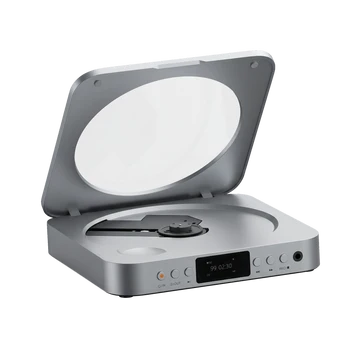
A home theater is not a single product. It is a system of components that work together to create the cinematic experience.
The display is the centerpiece. Options include large-screen televisions, projectors with projection screens, and direct-view LED walls. Projectors are popular for dedicated theaters because they can produce very large images at a lower cost per inch than televisions. Televisions are popular for multipurpose rooms because they perform well in rooms with ambient light.
The audio system is what separates a true home theater from a television with a soundbar. A surround sound system uses multiple speakers placed around the room to create a three-dimensional sound field. The most common configurations are 5.1, 7.1, and immersive formats such as Dolby Atmos and DTS:X, which add height channels for overhead sound.
The seating is designed for comfort during long viewing sessions. Reclining theater seats with cup holders are a popular choice. The seating should be arranged to provide optimal viewing angles and distances from the screen.
The room itself is a critical component. Lighting control, acoustic treatment, and room layout all affect the performance of the system. A dedicated room with no windows and controlled lighting provides the best environment. A multipurpose room requires compromises but can still deliver an excellent experience.
The Different Types of Home Theater Systems
Home theaters come in several configurations, each suited to different spaces, budgets, and performance goals.
Dedicated home theaters are purpose-built rooms designed exclusively for movie viewing. They typically have tiered seating, acoustic treatments, concealed equipment, and controlled lighting. They offer the highest level of performance and immersion.
Media rooms are multipurpose spaces that combine home theater components with other functions. They may have a large television or projector, a surround sound system, and comfortable seating, but they also serve as family rooms or living areas.
Home theater in a box systems are prepackaged kits that include a receiver, speakers, and sometimes a disc player. They are affordable and easy to set up but offer lower performance than component systems.
Custom installations are designed and built by professional integrators to meet the specific needs of the client and the space. They offer the highest level of customization and performance but require a significant investment.
The Room Design Considerations
The room is as important as the equipment. Several factors determine whether a space will perform well as a home theater.
Room dimensions affect the acoustics. Ideally, the room should not have dimensions that are multiples of each other, as this can cause standing waves that distort the sound. A professional acoustician can recommend optimal dimensions or treatments.
Seating distance and viewing angles affect the visual experience. The screen should be large enough to fill the viewer’s field of view without requiring head movement. The seating should be positioned at a distance that provides a comfortable viewing angle.
Lighting control is essential. Ambient light washes out the image on a projection screen and reduces contrast on a television. Blackout curtains, dimmable lights, and controlled lighting zones are common solutions.
Acoustic treatment improves sound quality. Absorptive panels reduce reflections and echo. Diffusers scatter sound to create a more natural sound field. Bass traps control low-frequency buildup.
The Technology Trends Shaping Home Theater
Home theater technology continues to evolve. Several trends are shaping the future of the category.
4K and 8K resolution are becoming standard. Higher resolution provides more detail and a more immersive image, particularly on large screens.
High dynamic range (HDR) improves contrast and color. HDR content displays brighter highlights, deeper blacks, and a wider range of colors than standard dynamic range content.
Immersive audio formats are becoming more common. Dolby Atmos and DTS:X add height channels and object-based audio processing to create a more three-dimensional sound field.
Streaming services are changing how content is delivered. Many new releases are available for streaming at the same time as or shortly after their theatrical release, making home theater more attractive.
Automation and control systems are simplifying operation. A single remote or app can control the display, audio system, lighting, and seating.
What to Consider When Building a Home Theater
The first consideration is the space. Is there a dedicated room available? What are the dimensions? Are there windows? What is the budget?
The second consideration is the performance goal. Is the goal to replicate a commercial cinema? Is it to enhance movie nights? Is it to create a multipurpose space for movies, sports, and games?
The third consideration is the budget. Home theater systems range from a few thousand dollars for a basic setup to hundreds of thousands of dollars for a fully customized dedicated theater.
The fourth consideration is the installation. Some components can be installed by the homeowner. Others, such as projectors, surround sound systems, and acoustic treatments, may require professional installation.
The fifth consideration is the content. A home theater is only as good as the content it displays. Streaming services, Blu-ray discs, and video games all benefit from a high-quality system.
The Bottom Line
A home theater is an investment in entertainment and lifestyle. It transforms the way movies, sports, and games are experienced at home. The key to a successful home theater is careful planning, appropriate equipment selection, and proper room design. Whether the goal is a dedicated cinema or a multipurpose media room, the right combination of components and design can create an experience that rivals the commercial cinema.