
The Engineering Mechanics Behind SDA Rock Bolts: How Self-Drilling Anchors Work Underground
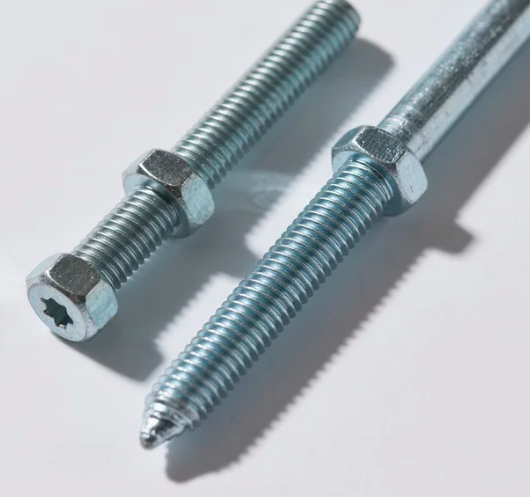
Geotechnical engineering relies heavily on reliable ground support systems to maintain structural integrity in underground excavations, slope cuts, and tunnels. Among the most versatile advancements in modern ground stabilization is the Self-Drilling Anchor, widely known as an SDA rock bolt. Understanding the underlying mechanics, structural components, and operational advantages reveals why this technology has become a staple in complex civil and mining projects.
1. Structural Anatomy of a Self-Drilling Anchor System
Traditional rock stabilization techniques often depend on multi-stage installation methods. In contrast, an SDA system is engineered as an integrated mechanical assembly where every component serves a distinct operational purpose during installation and load transfer:
- The Hollow Steel Bar: Fabricated from high-tensile steel, the bar features a continuous outer thread (often a rope thread pattern) and an open internal lumen. This hollow core acts as a conduit for simultaneous flushing and subsequent grout injection.
- The Drill Bit: Positioned at the leading edge of the assembly, the sacrificial bit is selected based on geological conditions. It features specialized cutting teeth designed to fracture hard rock, grind through boulders, or compact loose cohesive soils.
- Couplers and Extension Pieces: Because tunneling and stabilization operations frequently require deep penetration, threaded couplers allow operators to join multiple bars end-to-end seamlessly without losing internal fluid pathways.
- Bearing Plates and Spherical Nuts: Once the anchor is installed and grouted, the exterior plate and nut distribute the reactive load across the rock face or structural surface, ensuring uniform tension and surface containment.
2. The Operational Sequence: Simultaneous Drilling and Grouting
The core innovation of the SDA rock bolt lies in collapsing a three-step process—drilling, hole cleaning, and grouting—into a single continuous workflow.
Step One: Rotary-Percussive Drilling with Flushing
The assembly is mounted to a drilling rig. As the rig applies rotation and percussive impact, the sacrificial drill bit pulverizes the ground ahead of the bar. Simultaneously, flushing media (water, air, or a thin cement slurry) is pumped down the hollow core of the steel bar. This media exits through ports in the drill bit, cooling the cutting edge and forcing rock cuttings and debris backward out of the borehole.
Step Two: Bottom-Up Grouting Encapsulation
Upon reaching the specified design depth, the flushing medium is switched over to a high-strength cementitious grout or structural resin. The grout is pumped under pressure down through the hollow bar, exiting directly through the drill bit. It fills the annular space between the bar and the surrounding borehole wall from the bottom up, completely forcing out any remaining debris and encapsulating the entire steel length.
Step Three: Lock-Off and Load Transfer
After the grout cures and achieves its design compressive strength, the bond between the grout, the steel bar, and the surrounding geological medium is fully established. A thick steel bearing plate and high-strength nut are torqued down against the exterior surface, locking the system into active tension and providing immediate surface support.
3. Geological Versatility and Engineering Advantages
The primary engineering driver behind the widespread adoption of SDA rock bolts is their performance in difficult or collapsing ground conditions where conventional installation fails.
- Elimination of Temporary Casings: In loose soils, gravel beds, or highly fractured fault zones, open boreholes tend to collapse immediately upon drill steel extraction. Because an SDA bar leaves the drill steel in the hole and grouts concurrently, the borehole is stabilized instantly.
- Optimized Project Schedules: By removing the need to retract drill steels, insert independent reinforcement rods, and haul in separate grouting spreads, contractors save significant operational time per installation cycle.
- High Load-Bearing Capacity: The continuous threading along the bar creates a high-friction mechanical bond with the surrounding grout column, distributing shear and tensile loads effectively across variable ground strata.
4. Primary Engineering Applications
Due to their robust design and simultaneous installation mechanics, SDA rock bolts are deployed across a wide array of demanding infrastructure sectors:
- Tunneling and Underground Construction: Used extensively for face stabilization, umbrella arch roofing systems (forepoling), and radial rock reinforcement in underground mines.
- Slope and Embankment Stabilization: Securing unstable soil slopes, rock cuts along major transportation corridors, and preventing progressive mass-wasting events.
- Micropile Foundations: Serving as high-capacity deep foundations capable of carrying structural loads through weak overburdens down to competent bedrock.