
One Box for TV and Music: A 2 Channel Amplifier Home Audio Setup That Keeps Life Simple
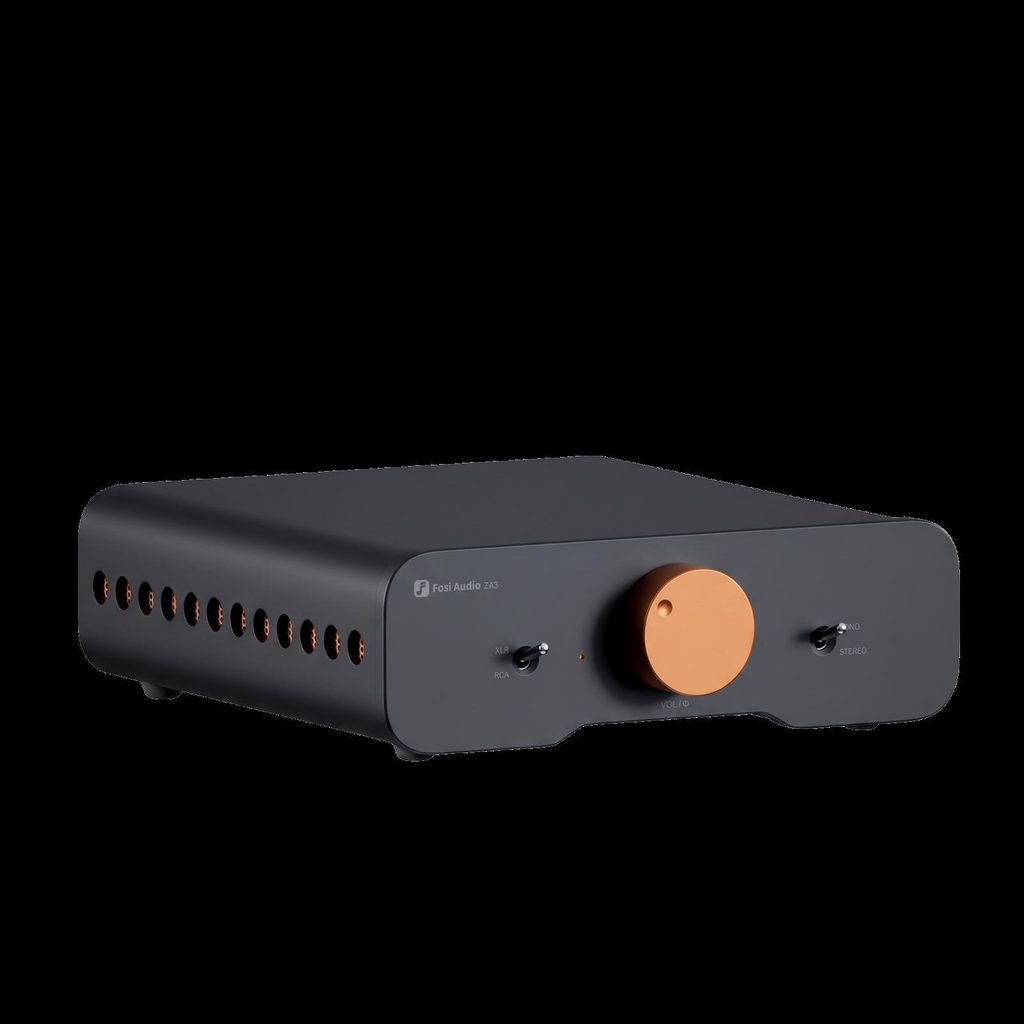
The modern living room has quietly accumulated a tower of electronics whose only real job is to make sound. A receiver with eleven channels for a room that seats four. A soundbar arguing with the television over which remote is in charge. A streaming box, a games console, a record player, all queuing for inputs. It works, mostly, but nobody in the house would call it simple, and guests need a briefing before they can watch a film.
There is an older, calmer answer, and it is having something of a comeback: one stereo amplifier, two good speakers, and every source in the room routed through them. Films get their weight back, music stops sounding like it is playing from inside the furniture, and the whole system is operated with a single volume control that everyone understands on the first try.
Why the Living Room Outgrew the Receiver
Home cinema receivers earned their place when surround sound was the goal, but most households quietly stopped chasing it. The centre speaker never got bought, the rear cables never got run, and the expensive box ended up doing stereo duty with most of its channels idle. That is the opening a 2 channel amplifier home audio setup walks through: it admits what the room actually does — television in the evening, music the rest of the time — and spends the entire budget on those two jobs instead of seven hypothetical ones.
The speakers benefit most from the honesty. Two floorstanders or a good pair of standmounts, given a clean stereo signal and placed either side of the screen, produce a soundstage that anchors dialogue to the picture far better than a thin soundbar can. Voices sit where faces are. A kettle in a kitchen scene sounds like it is in a kitchen, off to the left, rather than inside a plastic enclosure under the screen.
Connecting the Television Without the Headache
The practical question is how the television talks to the amplifier, and modern answers are pleasantly boring. Many stereo amplifiers now include an HDMI ARC input, which means the TV remote controls the volume and the amplifier wakes and sleeps with the screen. Where ARC is absent, the optical output found on nearly every television does the same job with one slim cable, at the cost of a second remote for volume.
Everything else plugs in the way it always has. A streamer or a laptop covers music services, a console goes through the television and arrives down the same single cable, and a turntable joins through a phono input if one is fitted. If you are comparing models, the shortlist of connections worth having is exactly that: ARC or optical for the screen, a couple of analogue inputs, Bluetooth for guests’ phones, and a subwoofer output in case the room ever wants one. That is the specification that makes a 2 channel amplifier home audio system disappear into daily life instead of demanding attention.
Music Nights, Minus the Menu Diving
The stereo amplifier’s real party trick shows up when the screen goes off. There are no listening modes to cycle through, no night mode flattening the dynamic range of a record, no firmware update standing between you and the play button. You select the source, set the volume, and the recording is simply there — which is why people who return to stereo often report that they listen to more music than they did with the complicated system.
A few habits make the double life easier still. Keep the television’s own speakers muted permanently so nobody accidentally runs both sets. If your amplifier has tone controls, set them once for the room and then leave them alone for music and films alike; consistency is what makes a system feel effortless. And place the speakers for the music first, because the television will sound fine wherever the music does, while the reverse is rarely true.
None of this argues against surround sound for the households that genuinely use it — a dedicated cinema room is a different conversation. The argument is narrower: a family room that watches dramas, follows football and plays records is served better by two channels done properly than by seven done thinly, and the daily experience of using the thing is calmer by an order of magnitude.
The peace dividend shows up in small moments. A partner who has never cared about audio equipment can turn on the television, and the sound simply arrives through the good speakers, at a sensible volume, with nothing to select and nothing to forgive. A teenager can connect a phone and play a song without a tutorial. The system passes what might be called the babysitter test: anyone left alone with it can operate it within a minute, unaided, and without fear of breaking a configuration that took an afternoon to build. That test sounds trivial until you have lived with equipment that fails it, where every viewing begins with a small negotiation between remotes, inputs and whoever set the thing up. Simplicity is not the absence of ambition here. It is a design goal in itself, and for shared rooms it outranks almost every specification on the box, because equipment that everyone can use gets used, and equipment that only one person understands quietly becomes one person’s hobby and everyone else’s obstacle.
That is the whole case for a 2 channel amplifier home audio approach: fewer boxes, fewer remotes, fewer apologies to guests, and sound that treats a film score and a favourite album as equals. The living room stops being an equipment rack with a sofa attached, and goes back to being a room that happens to sound wonderful. Begin with speakers you trust, add an amplifier sized for the room, and two honest channels will quietly outwork seven apologetic ones at every film night and every Sunday morning listening session.