
Lilikoi Maltese: Creative Brand Naming Ideas for a Distinctive Luxury Identity
Choosing a memorable brand name is one of the most important steps in building a successful business. A strong name communicates personality, creates an emotional connection, and helps customers recognize a brand in a competitive market. Lilikoi Maltese is an interesting naming concept that combines tropical inspiration with an elegant, refined identity.
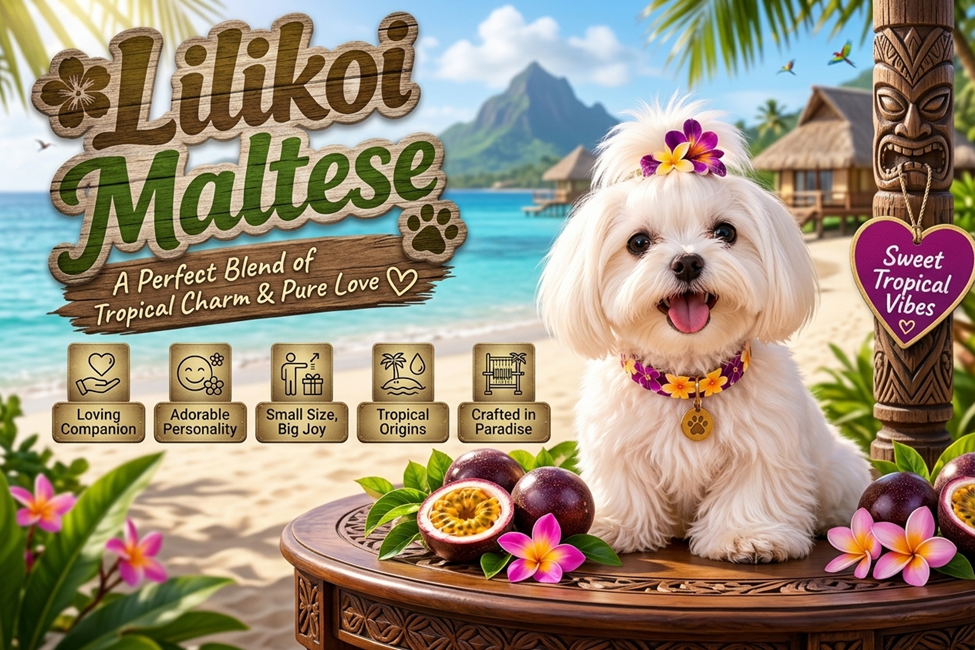
Understanding the Appeal of Lilikoi Maltese
The word “lilikoi” comes from Hawaiian and refers to passion fruit, a tropical fruit known for its distinctive flavor and vibrant character. The word evokes freshness, warmth, and island-inspired living. When paired with “Maltese,” it creates a distinctive combination that can inspire creative branding for boutique businesses, pet-related products, lifestyle accessories, and luxury-inspired collections.
This combination demonstrates how two different ideas can work together to create a memorable brand identity. One element communicates natural energy, while the other introduces a sense of elegance and sophistication.
Why Unique Brand Names Matter
In a crowded marketplace, businesses need more than an attractive logo to stand out. Their names should be recognizable, easy to pronounce, and suitable for their intended audience.
A distinctive name offers several advantages:
- Brand recognition: Customers can remember a name that sounds different from competitors.
- Emotional appeal: Carefully selected words can communicate warmth, quality, or exclusivity.
- Marketing flexibility: A versatile name can work across websites, packaging, social media, and promotional materials.
- Long-term potential: A thoughtfully developed identity can support future products and services.
Businesses exploring creative naming strategies can use the Lilikoi Maltese branding and naming guide for additional inspiration when developing a distinctive brand concept.
How to Develop a Strong Brand Identity
A successful brand name should connect naturally with the business’s purpose. Before choosing a final option, entrepreneurs should consider their products, target customers, preferred visual style, and long-term goals.
1. Define Your Brand Personality
Start by identifying three or four qualities that describe your business. These might include modern, playful, elegant, natural, or premium. The name should reflect these qualities rather than simply follow a passing trend.
2. Consider Sound and Pronunciation
Names that flow naturally are often easier to remember and recommend. Say the proposed name aloud, share it with potential customers, and check whether people can spell it after hearing it once.
3. Build a Consistent Visual Style
Once the name is selected, develop a visual identity that supports its meaning. Typography, color palettes, packaging, and photography should create a consistent experience across every customer touchpoint.
For example, a tropical-inspired concept might use fresh colors and botanical details, while a luxury-oriented business could choose restrained typography and minimalist packaging.
4. Check Digital Availability
Before investing in branding, research suitable domain names and social media usernames. Also check relevant trademark databases and existing businesses to reduce the risk of confusion or legal disputes.
A creative name is valuable only when it can be used appropriately and consistently.
Using Storytelling to Make a Brand Memorable
Customers often connect more strongly with businesses that have a clear story. A brand inspired by nature, travel, craftsmanship, or a particular lifestyle can communicate its personality through thoughtful messaging.
For example, a tropical lifestyle brand might emphasize freshness and relaxation, while a boutique pet-accessory business could focus on comfort, quality, and distinctive design. The story should remain authentic to the actual products and services offered.
Consistent storytelling across website pages, product descriptions, and social media can help customers understand what makes a business different.
Common Brand Naming Mistakes to Avoid
Entrepreneurs should avoid choosing names that are difficult to spell, overly similar to established competitors, or too restrictive for future expansion. They should also avoid selecting a name solely because it sounds fashionable.
Instead, evaluate each candidate according to clarity, relevance, memorability, audience appeal, and practical availability. Feedback from potential customers can reveal problems that may not be obvious during the initial brainstorming process.
Final Thoughts
Developing a distinctive brand name requires creativity, research, and a clear understanding of the intended audience. The Lilikoi Maltese concept illustrates how combining different linguistic and lifestyle associations can produce an identity with a recognizable personality.
By focusing on meaningful storytelling, consistent visual design, and careful availability checks, businesses can build a brand identity that supports long-term growth. The strongest names are not simply attractive words; they are foundations for delivering a consistent and memorable customer experience.