
Why People Press the Button Differently
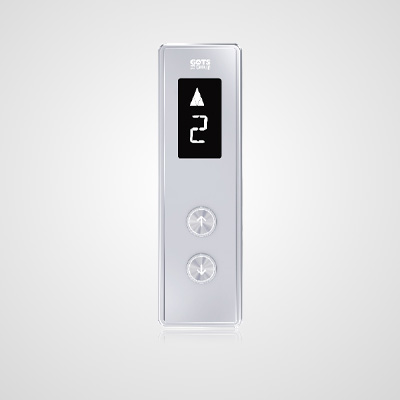
Not all elevator calls are the same. The behavior of passengers varies depending on context, urgency, and familiarity with the building.
In an office building during the morning rush, passengers arrive in waves. They press the call button and wait, often in groups. The call is a collective signal, and the elevator must respond to a demand that is both predictable and concentrated. The behavior is routine. The passenger knows the building, knows the wait time, and knows which elevator bank to use.
In a hospital, the behavior is different. A nurse transporting a patient on a stretcher presses the call button and needs an elevator that can accommodate the stretcher. A visitor presses the call button and needs to reach a specific floor. The calls are diverse in purpose and urgency, and the system must accommodate both.
In a hotel, the behavior changes again. Guests press the call button and wait, often carrying luggage. They may be unfamiliar with the building. They need clear signage, intuitive controls, and a system that responds quickly.
In a residential building, the behavior is more casual. A resident presses the call button and waits, often alone. The system is part of daily life, and reliability matters more than speed.
The Psychology of Waiting
The perceived wait time is often more important than the actual wait time. A passenger who waits thirty seconds and feels informed is more satisfied than a passenger who waits twenty seconds and feels ignored.
This is why modern elevator call systems provide feedback. The call button illuminates. A chime sounds when the elevator arrives. A display shows which elevator is responding. In destination dispatch systems, the kiosk displays the assigned car and sometimes the estimated wait time. These cues reduce anxiety and improve the passenger experience.
The placement of the call button also matters. If the button is difficult to find, the passenger becomes frustrated before the wait even begins. If the button is placed where passengers naturally look when they approach the landing, the interaction feels seamless.
The Role of Traffic Patterns
Elevator call systems are designed around traffic patterns, and understanding those patterns is essential to specifying the right system.
The most common traffic pattern is the two-way pattern, where passengers travel both up and down between floors. This is typical in residential buildings and small office buildings. A conventional up/down call system handles this pattern well.
The morning up-peak pattern occurs in office buildings when employees arrive and travel from the lobby to their floors. The calls are concentrated at the lobby, and the elevators must handle a high volume of passengers going to different floors. Destination dispatch systems excel in this pattern because they group passengers by destination.
The evening down-peak pattern occurs when employees leave and travel from their floors to the lobby. The calls are spread across multiple floors, and the elevators must handle a high volume of passengers going to a single destination. Conventional systems can handle this pattern, but destination dispatch can improve efficiency.
The interfloor pattern occurs when passengers travel between floors other than the lobby. This is common in hotels, hospitals, and shopping centers. The calls are distributed, and the system must balance the demand across multiple elevators.
The Design of the Call Device
The call device itself is a design challenge. It must be visible, accessible, and intuitive. It must withstand heavy use and occasional abuse. It must be easy to clean and maintain.
The size and placement of the call button are specified by accessibility standards. The button must be reachable from a wheelchair. It must be large enough to be seen and pressed. It must provide tactile feedback for people with visual impairments.
The display and audio systems must also be accessible. Visual displays must have high contrast and large text. Audio announcements must be clear and loud enough to be heard in a noisy environment.
The materials must be durable. Stainless steel and impact-resistant plastics are common. The finish must resist fingerprints and scratches. The assembly must be sealed against dust and moisture.
What to Consider When Specifying Elevator Calls
The first consideration is the building type and traffic pattern. A residential building has different needs than an office tower. A hospital has different needs than a hotel.
The second consideration is accessibility. The call system must comply with applicable standards. This includes button height, size, tactile markings, and audible signals.
The third consideration is integration. The call system must integrate with the elevator controller and, in some cases, with building management systems, security systems, or smartphone apps.
The fourth consideration is maintenance. Call buttons and touchscreens are subject to wear and vandalism. The system should be designed for easy maintenance and repair.
The fifth consideration is the passenger experience. The call system should be intuitive, responsive, and reliable. It should provide clear feedback and reduce anxiety during the wait.
The Bottom Line
An elevator call is a simple action, but it is embedded in a complex system of human behavior, traffic patterns, and design considerations. For building owners and developers, understanding these factors is essential to specifying a call system that works for the people who use it. The call is the first step in every elevator journey. It should be as smooth and intuitive as the ride itself.