
Why Dyneema Cut Resistant Gloves Are a Smart Choice for Industrial Hand Protection
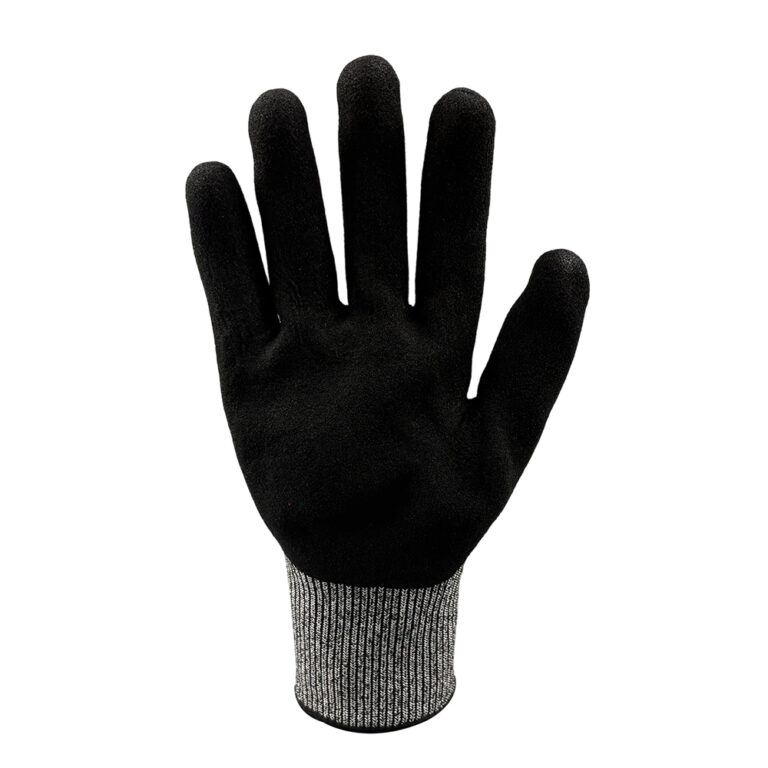
Industrial workers often handle sharp metal, glass, machinery parts, tools, wires, blades, and rough materials. These hazards can cause serious cuts, abrasions, and other hand injuries if suitable protection is not used. Dyneema cut resistant gloves are designed to provide strong protection while remaining lightweight, flexible, and comfortable enough for demanding work.
Dyneema is a high-performance polyethylene fiber known for its exceptional strength in relation to its weight. It is used in protective gloves because it can resist cutting and abrasion without creating the heavy, bulky feeling associated with some traditional safety materials. This makes Dyneema cut resistant gloves suitable for industries where employees need both reliable protection and precise hand movement.
These gloves are commonly used in metal fabrication, glass handling, automotive manufacturing, construction, warehousing, recycling, food processing, maintenance, and general engineering. Their performance depends on the glove’s construction, cut rating, coating, thickness, and intended application. Selecting the correct design allows workers to protect their hands without sacrificing grip or productivity.
What Makes Dyneema Cut Resistant Gloves Different
Dyneema cut resistant gloves are made using ultra-high-molecular-weight polyethylene fibers. These fibers have a very high strength-to-weight ratio, allowing manufacturers to produce thin gloves that still provide dependable resistance to sharp edges.
The fibers are knitted tightly to create a protective structure around the hand. When a sharp object contacts the glove, the material helps spread the cutting force across a wider area. This makes it more difficult for the blade or edge to pass directly through the glove and reach the skin.
Some gloves are made primarily from Dyneema fibers, while others combine them with nylon, spandex, fiberglass, steel, or other high-performance yarns. These blends can increase cut resistance, improve comfort, strengthen high-wear areas, or create a closer fit.
The glove’s knitting gauge also affects performance. A fine-gauge glove can offer a thin, smooth fit that supports precision work, while a heavier construction may provide greater durability for demanding material handling.
Workers should understand that Dyneema cut resistant gloves are not completely cut-proof. Their purpose is to reduce the likelihood and severity of accidental injuries. Powered blades, rotating machinery, extreme pressure, and damaged glove material can still cause harm. Proper tools, training, and safe procedures must always remain part of the workplace safety system.
Protection Without Excessive Weight
One of the main advantages of Dyneema is that it offers strong protection without adding unnecessary bulk. Traditional heavy-duty gloves may reduce finger movement, make tools harder to control, and cause fatigue during long shifts. Dyneema fibers allow gloves to remain light and flexible.
This lightweight construction is valuable in assembly, inspection, maintenance, packaging, and other tasks that require workers to handle small components. Employees can bend their fingers naturally, hold tools securely, and maintain good tactile sensitivity.
The material also offers useful abrasion resistance. Workers frequently grip rough surfaces, carry unfinished parts, and move heavy materials. Repeated friction can damage ordinary gloves quickly. Dyneema cut resistant gloves can withstand this wear more effectively when used for suitable applications.
Comfort also improves compliance. Workers are more likely to wear protective gloves throughout the task when the gloves fit well and do not interfere with their work. A bulky or uncomfortable glove may be removed at the wrong time, leaving the worker exposed.
Proper sizing is essential. Loose gloves can reduce control and create folds around the fingertips. Tight gloves can restrict circulation and cause hand fatigue. Employers should provide multiple sizes so workers can choose a close and comfortable fit.
Grip Options for Different Work Conditions
Dyneema cut resistant gloves are available with different coatings to improve grip and durability. The correct coating depends on whether workers handle dry, oily, wet, smooth, or rough materials.
Polyurethane-coated gloves are commonly selected for precision work. The coating is thin and flexible, allowing workers to maintain good tactile sensitivity. It is useful for assembly, electronics handling, inspection, and tasks involving small dry components.
Nitrile coatings provide strong abrasion resistance and may offer dependable grip in dry or lightly oily conditions. Foam nitrile coatings contain a textured surface that can help move small amounts of oil away from the contact area, improving control over tools and mechanical parts.
Latex coatings can provide strong grip on rough and dry surfaces. These gloves may be used in construction, glass handling, and general material movement. However, latex may not be suitable for oily environments or workers with latex sensitivities.
The extent of coating also matters. Palm-coated gloves protect the main gripping surface while leaving the back of the hand breathable. Three-quarter or fully coated designs may offer more protection against dirt and moisture but can reduce ventilation.
A secure grip improves both safety and efficiency. When workers can hold materials with less effort, they experience less hand fatigue and are less likely to drop sharp or heavy objects. Employers should match the glove coating to the actual conditions of the workplace.
Industries That Use Dyneema Cut Resistant Gloves
Metal fabrication is one of the most common applications. Workers may handle sheet metal, stamped components, steel plates, pipes, and unfinished machinery parts. Sharp edges and burrs can easily cut through ordinary gloves, making stronger protection necessary.
Glass manufacturing and installation also involve serious laceration hazards. Employees may work with windows, bottles, mirrors, panels, and broken glass. Dyneema cut resistant gloves with a reliable grip can help workers hold these materials more securely.
Automotive manufacturing and repair require employees to handle body panels, engine components, exhaust parts, wires, tools, and sharp mechanical edges. Lightweight cut-resistant gloves allow technicians to protect their hands while maintaining the dexterity needed for detailed work.
Construction workers may use these gloves when handling metal framing, roofing materials, tiles, cables, pipes, and sharp tools. Warehousing and logistics employees may also need them while opening cartons, handling metal straps, using utility knives, and moving rough products.
Recycling and waste-management facilities contain unpredictable hazards such as broken glass, sharp metal, and damaged containers. Suitable Dyneema gloves can provide an important protective barrier in these environments.
Food-processing operations may use specialized cut-resistant gloves when workers handle knives or cutting equipment. Aerospace assembly, appliance production, cable manufacturing, machinery maintenance, and general engineering are other common applications.
Understanding Protection Levels and Limitations
Not all Dyneema cut resistant gloves provide the same protection. Employers should review the glove’s tested cut rating under a recognized standard. A higher rating generally indicates stronger resistance to cutting force, but the highest level is not always necessary for every task.
Light assembly work may require a thin glove that prioritizes dexterity. Heavy metal or glass handling may require a higher-rated glove with additional reinforcement and stronger coating.
Cut resistance is different from puncture resistance. Needles, nails, sharp wire ends, and pointed tools may penetrate glove material differently from a slicing edge. Employers should check separate puncture ratings when these hazards are present.
Temperature is another important limitation. Dyneema fibers can lose strength when exposed to high heat. These gloves should not be used for hot metal, open flames, or high-temperature work unless the specific glove includes heat-resistant materials and has been tested for thermal protection.
Standard Dyneema gloves may also offer limited chemical protection. A thin coated palm does not provide the same protection as a certified chemical-resistant glove. Workers handling acids, solvents, cleaning agents, or hazardous liquids may need a specialized outer glove.
Understanding these limitations prevents workers from using gloves outside their intended purpose.
Inspection, Cleaning, and Safe Replacement
Dyneema cut resistant gloves should be inspected before every use. Workers should check for holes, broken fibers, worn palms, open seams, damaged fingertips, and separated coatings. Even minor damage can reduce protection.
A glove that has been cut or heavily worn should be removed from service immediately. Damaged gloves should not be repaired with tape or reused for high-risk tasks. Employers should maintain enough replacement stock so workers can change gloves whenever necessary.
Reusable gloves should be cleaned according to the manufacturer’s instructions. Excessive heat, bleach, strong solvents, and harsh detergents may damage the fibers or coating. Gloves should be completely dry before being worn again.
Gloves contaminated with hazardous chemicals, biological materials, or heavy oils may require special disposal. Routine washing may not make them safe for reuse.
Clean gloves should be stored in a dry and protected area away from direct sunlight, excessive heat, moisture, chemicals, and sharp objects. Proper storage helps preserve their strength, flexibility, and protective performance.
Dyneema cut resistant gloves offer a strong combination of lightweight protection, comfort, grip, and dexterity. When selected according to the actual workplace hazard and maintained correctly, they can reduce hand injuries while supporting efficient work. Their best performance comes when they are used together with safe tools, machine guarding, employee training, and responsible handling procedures.