
The Biggest Mistakes When Installing a Waterproofing Membrane
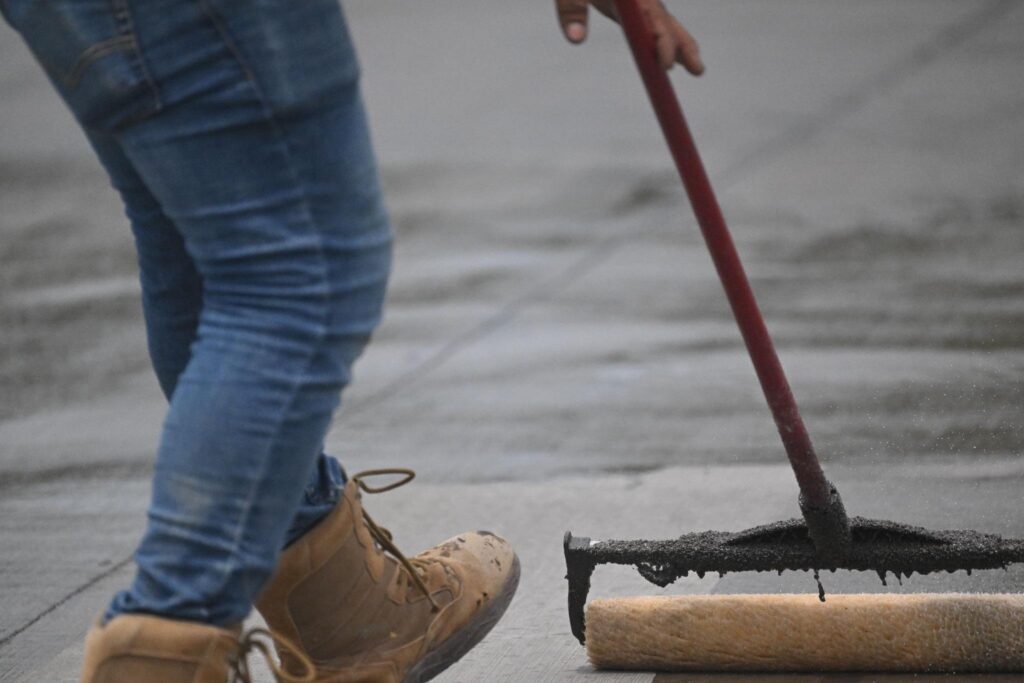
Image Source: Pexels
We are often unaware of water damage that occurs around us. Sometimes, it goes unnoticed due to a small gap between walls or an uncleaned surface, and you may find water spots on the ceiling or the wall of the basement when it’s already expensive to fix. The majority of leaks come not from material failure but from the way they were installed.
Here are the common installation errors, so you can save money and have a system that works for you.
Ignoring Suitable Surface Preparation
Regardless of the waterproofing system that you choose, it’s the base that you bond it to that makes all the difference. Water-proofer specialists reveal that one of the leading causes for membrane failure is improper surface preparation, such that dust, dirt, oil, or moisture between layers would greatly reduce adhesion.
This process entails sweeping, cleaning, and inspecting for cracks or concrete weaknesses beforehand.
Applying the Membrane Before the Concrete Has Cured
Newly poured concrete continuously releases moisture for several weeks. If you place a waterproofing membrane over the concrete before it dries completely, that moisture has no outlet.
Moisture trapped underneath the membrane can bring membrane blistering or bubbling, or even a membrane that never properly adheres. Make sure the concrete has dried for the manufacturer’s recommended time before you place the membrane.
Getting the Thickness Wrong
While extra coverage often indicates more protection, the case isn’t this simple with liquid membranes. If the layer is applied too thickly, moisture trapped inside during curing will result in splits or voids instead of a solid barrier. Whereas applying it too thinly, one structural shift will tear the coating off.
The right consistency is as important as appropriate thickness. Weak spots are produced with uneven coating because dense areas will not allow movement while thin areas will be more stressed. To prevent that, you can use a notched trowel or roller, and strictly follow the dosage specified by the manufacturer, not to guess.
Faulty Seam Overlaps
The whole concept of sheet membranes is that they form a continuous waterproof barrier by being sealed. Not providing a proper overlap is one of the most common errors in roofing, basement, and foundation work. Normally, industry standards say there should be overlaps of a few inches, and in some cases, larger overlaps are required.
A joint is basically a weak point that could result in water entry. Smooth the seams, detect any openings, and measure the overlap to match the product datasheet exactly.
Exposure to Adverse Temperature Conditions and Bad Weather
The way membranes cure depends a lot on the temperature and humidity. The bonding is delayed in cold conditions, which might lead to weak material, whereas rain or high humidity will cause moisture to be locked under the surface and not allow it to cure properly.
Consult the weather when choosing a time for installation. Should unforeseeable rainy weather hit a newly installed product, look closely for water infiltration before laying an overlay or backfill.
Wrapping Up
Waterproofing failures can be avoided most of the time. The major causes of such failures include poor surface preparation, improper timing, insufficient coverage, incorrect joining methods, unsuitable weather conditions, or improper primer use. The material alone is rarely the reason. Bring in an expert for those big areas where complex joints or harsh environments are to be dealt with.