
The Airplane Pillow Mistake Most Tired Flyers Keep Making
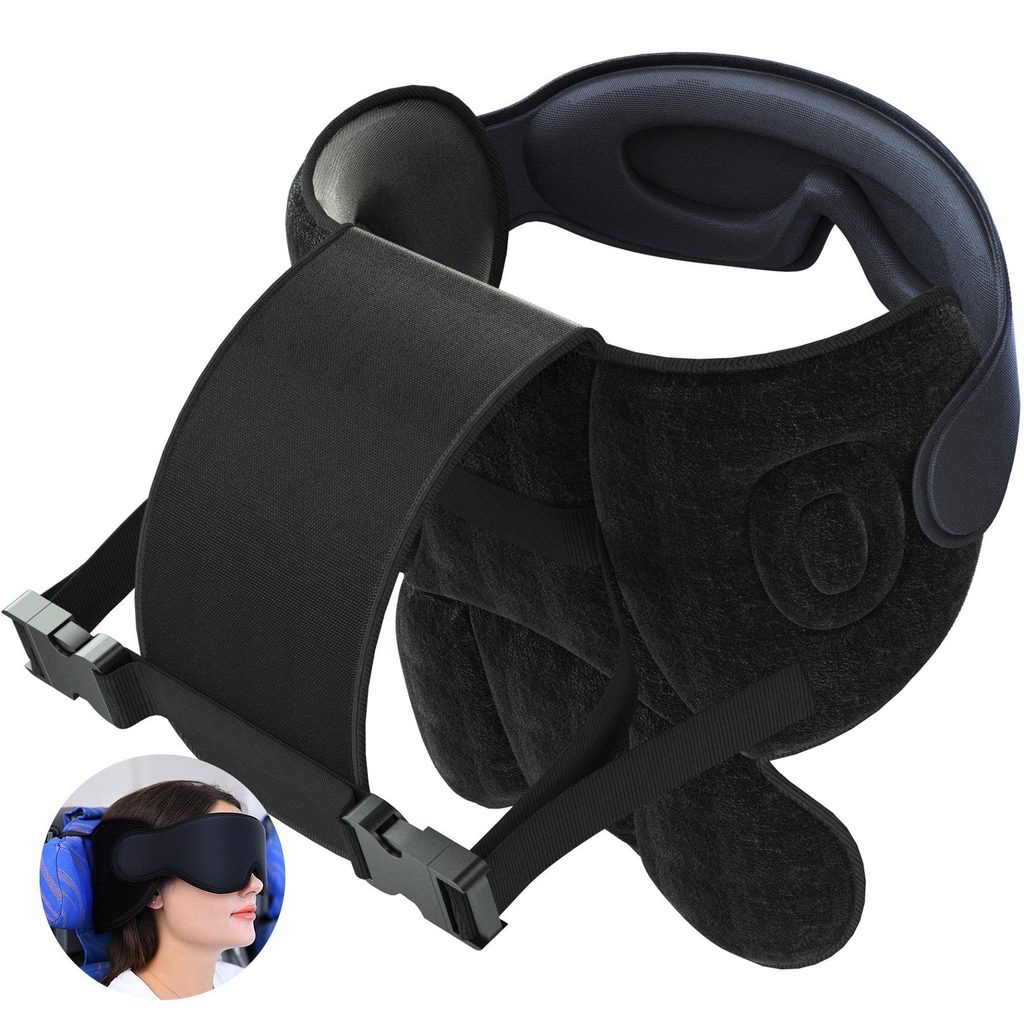
You board the plane, settle into your seat, and prop an airplane pillow behind your neck expecting relief. An hour later you’re wide awake, shifting positions, and wondering why the cushion that looked so promising in the product photos isn’t doing much of anything. This happens more often than travelers realize, and it usually comes down to one overlooked mistake: buying a pillow shaped for comfort rather than one built for actual neck support during sleep. Airplane seats recline just enough to tempt you into dozing off, but not enough to fully support your head, which means the pillow has to do real structural work rather than just sit there looking soft. Getting this wrong means arriving at your destination with a stiff neck instead of the rest you were hoping for. Understanding what separates a genuinely supportive airplane pillow from one that just looks the part can change how you feel after every flight, especially on longer routes where sleep quality actually matters.
Why Softness Isn’t the Same as Support
The instinct when shopping for an airplane pillow is to squeeze it and judge based on how plush it feels in your hands. That instinct is misleading. A pillow that feels soft on a store shelf often collapses under the actual weight of your head once you’re seated and leaning against it for hours. What you actually need is a structure that holds its shape under sustained pressure, with just enough give to feel comfortable against your skin. Memory foam and firm-core designs tend to outperform overly plush, fully inflatable pillows in this regard, since they don’t flatten out halfway through the flight. If your neck is doing extra work to stay upright because the pillow beneath it has gone flat, you’re not getting the benefit you paid for.
Matching Pillow Shape to Your Seating Position
Not every airplane pillow shape suits every traveler. Someone who sleeps upright and slightly forward needs different support than someone who leans toward the window. U-shaped pillows work well for travelers who tend to tip their head side to side, while J-shaped or wraparound designs help those who lean consistently in one direction. Before buying, think about how you naturally sit during a flight rather than assuming one universal shape will work. Mismatched shape is one of the quieter reasons people give up on airplane pillows entirely, assuming the whole category doesn’t work for them when really it was just the wrong design for their posture.
Material Choices That Affect Real Comfort
Breathability matters just as much as firmness, particularly on flights where cabin air is already dry and uncomfortable. A pillow covered in non-breathable fabric traps heat against your neck, and that warmth builds up over a long flight to the point where you’re adjusting constantly just to cool down. Look for covers made from moisture-wicking or breathable knit fabric, ideally ones that are also machine washable, since airplane pillows pick up a surprising amount of grime during travel. This airplane pillow uses a breathable outer layer over a supportive foam core, which addresses both the temperature issue and the collapsing-support problem in one design rather than treating them as separate concerns.
Portability for Travelers Who Fly Often
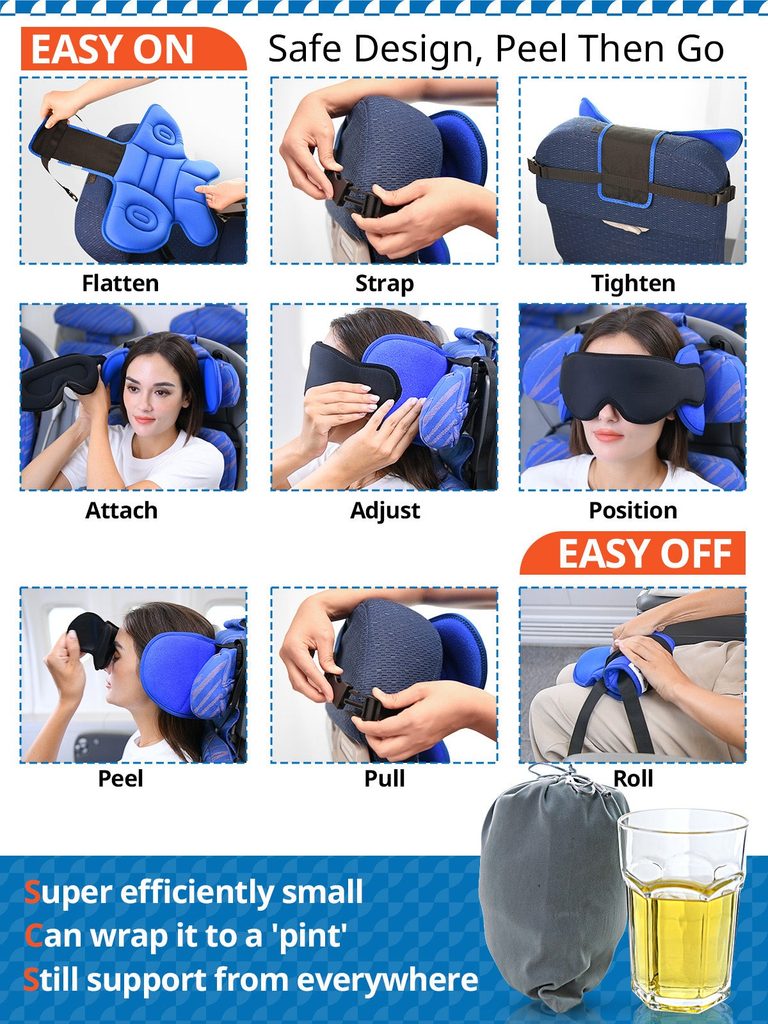
If you’re someone who flies multiple times a month, the size and weight of your airplane pillow becomes just as important as how well it supports your neck. A pillow that doesn’t compress easily takes up valuable carry-on space and becomes one more thing to juggle through security and boarding. Compressible foam or pillows with a built-in clip that attaches to your bag strap save you from carrying an extra item separately. This detail seems minor until you’re rushing through a connection with your hands already full, and it’s the difference between a pillow you actually bring on every trip versus one that ends up left at home after a few uses.
Getting the Most Out of Long-Haul Flights
On flights longer than four or five hours, an underperforming pillow becomes a bigger problem than it would on a short domestic hop. Sarisun built its airplane pillow line around this exact scenario, focusing on sustained support rather than initial softness, since the goal is comfort at hour six, not just hour one. If your travel routine includes regular long-haul segments, it’s worth treating your pillow choice with the same seriousness you’d give to choosing the right seat or booking the right layover. Small comfort decisions compound over a long flight, and a pillow that actually holds up matters more than most people give it credit for until they experience the difference themselves.
Choosing Support Over Surface-Level Softness
The biggest mistake tired flyers make with airplane pillows is judging them the way they’d judge a bed pillow, prioritizing initial softness over sustained structural support. What actually determines whether you sleep on a flight is whether the pillow holds its shape, matches your natural seating posture, and stays breathable enough that you’re not fighting heat buildup for hours. Once you shift your evaluation criteria toward these factors instead of just squeeze-testing plushness, finding a pillow that genuinely helps you rest on flights becomes a much simpler decision, and one that pays off every time you fly.