
Reclaiming Your Weekends with Autonomous Lawn Care Technology
Weekend mornings once reserved for relaxation or family time often disappear into the repetitive task of pushing a mower across your lawn. The physical demands of traditional mowing intensify during peak growing seasons when grass requires weekly attention regardless of your schedule or energy levels. For homeowners with larger properties, mobility limitations, or simply better uses for their time, this ongoing obligation represents a significant quality-of-life burden that autonomous mowing technology elegantly resolves.
Modern robot lawn mower systems have evolved from experimental gadgets into reliable solutions that maintain lawns consistently without human intervention. These machines work quietly in the background, keeping grass at optimal height through frequent trimming rather than the shock of weekly cuts. Understanding how these systems operate and what’s required for successful implementation helps homeowners determine whether autonomous mowing fits their property and lifestyle.
How Autonomous Mowing Systems Navigate Your Property
Boundary wire installation defines the mowing area by creating an invisible fence the robot recognizes and respects. This wire runs along your property perimeter, around garden beds, and surrounding obstacles like trees or play equipment. The installation process involves either burying the wire slightly below ground level or securing it to the surface where it gradually disappears into the lawn. While initial setup requires effort, the boundary remains functional for years once properly installed.
GPS-guided systems eliminate boundary wire requirements by using satellite positioning to map your lawn and understand its boundaries. These advanced models learn your property layout during initial mapping sessions where you walk or drive the perimeter. The robot stores this map and navigates using GPS coordinates combined with onboard sensors. This wireless approach simplifies installation dramatically but typically costs more than wire-based alternatives. Manufacturers like eufy have developed systems that combine multiple navigation technologies for reliable operation even when GPS signals weaken under tree cover.
Obstacle detection sensors prevent collisions with temporary objects like toys, lawn furniture, or people that weren’t present during initial setup. Ultrasonic or collision sensors cause the mower to stop or change direction when encountering unexpected barriers. This safety feature protects both your property and the machine itself from damage while accommodating the dynamic nature of real yards where objects move frequently.
Selecting the Right System for Your Property
Lawn size determines which models can effectively maintain your property. Entry-level robots handle up to quarter-acre lots efficiently, while premium systems manage properties exceeding one acre. Consider not just total area but also complexity—multiple mowing zones separated by pathways or intricate landscaping require more sophisticated navigation than simple rectangular lawns. Manufacturers specify coverage capacity per charge cycle, helping match robot capabilities to your property dimensions.
Terrain characteristics significantly impact mower selection. Slope capacity varies widely between models, with basic units handling gentle grades while advanced systems manage inclines up to certain percentages. Measure your steepest slopes before purchasing to ensure compatibility. Rough terrain with roots, uneven ground, or frequent obstacles demands robust wheels and stronger motors than flat, maintained lawns. Properties with narrow passages between mowing zones need compact designs that navigate tight spaces without getting stuck.
Cutting width and battery capacity work together to determine efficiency. Wider cutting decks cover more ground per pass but require more power and work best on open lawns without tight corners. Narrower decks navigate complex landscapes better but take longer to cover the same area. Battery capacity should support completing your entire lawn in reasonable time, with the robot returning to its charging station autonomously when power runs low and resuming where it left off after recharging.
Programming Schedules and Mowing Patterns
Frequent light mowing produces healthier grass than infrequent heavy cutting. Program your robot to run several times weekly, removing only small amounts with each pass. This approach eliminates the stress caused by removing more than one-third of grass height at once, promotes denser growth, and eliminates the need to bag clippings. The fine clippings decompose quickly, returning nutrients to your soil naturally.
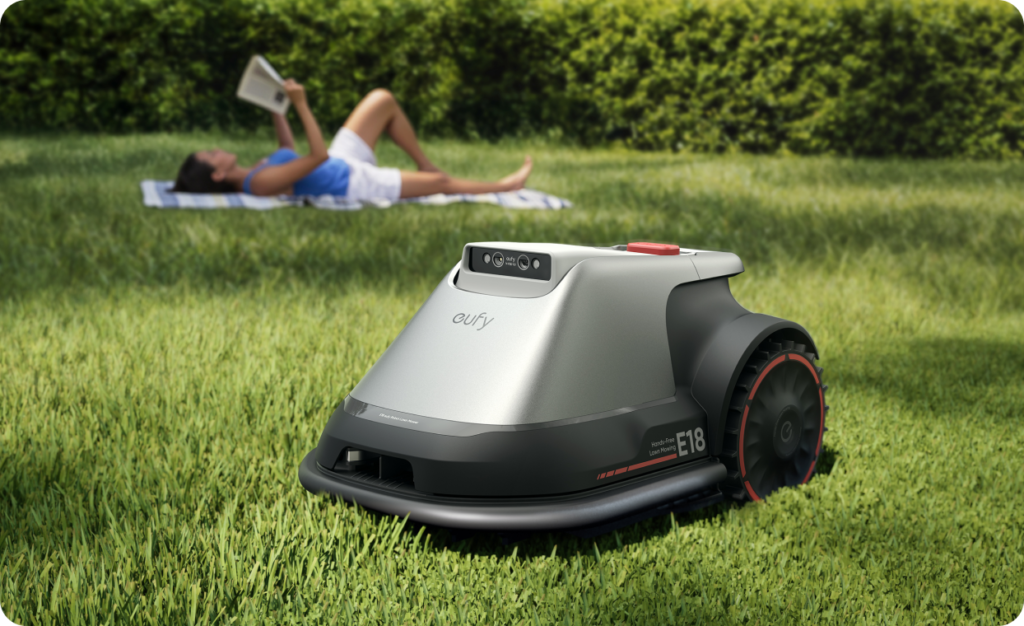
Mowing times should consider noise levels and neighborhood norms even though robotic mowers operate much quieter than traditional mowers. Early morning or evening schedules keep grass trimmed without disturbing your activities or those of neighbors. Many systems allow different schedules for different days, accommodating weekly patterns where certain times work better than others. Rain sensors automatically postpone mowing during wet conditions when cutting would damage grass and leave messy clippings.
Zone management lets you prioritize areas receiving different use levels. High-traffic zones near play areas or entertaining spaces might mow more frequently than peripheral areas. Some systems support virtual zones created through app interfaces rather than physical barriers, allowing flexible management that adapts to seasonal use patterns. Define keep-out zones around delicate plantings or areas where the mower shouldn’t operate without installing additional boundary wire.
Maintenance Requirements and Seasonal Care
Blade replacement keeps cutting performance sharp and prevents ragged grass edges that invite disease. Check blades monthly during active growing season for wear or damage. Most systems use small, easily replaceable blades that swap out in minutes without tools. Dull blades tear grass rather than cutting cleanly, creating brown tips and stressing your lawn. Replacement blades are inexpensive and stocking several sets ensures you can swap them promptly when needed.
Cleaning removes grass buildup that reduces cutting efficiency and can corrode components over time. Brush accumulated clippings from the underside of the mower deck weekly. Wipe sensors and charging contacts with a damp cloth to maintain reliable operation. Avoid pressure washers or excessive water that can damage electronics. Most robots handle light rain during operation but should be dried if they get soaked.
Seasonal storage protects your investment during off-season months when grass stops growing. Clean the mower thoroughly before storage to prevent dried grass from attracting pests or causing corrosion. Charge the battery fully, then store in a dry location away from extreme temperatures. Some manufacturers recommend removing batteries for separate storage. Inspect boundary wire for damage from frost heave or landscaping activities before resuming operation in spring.
Addressing Safety and Security Concerns
Child and pet safety features prevent injuries from the spinning blades. Lift sensors immediately stop blade rotation when the mower is picked up or tipped over. Bump sensors halt operation upon contact with obstacles, giving children or pets time to move away. Despite these protections, supervise young children and pets during initial mowing sessions until they learn to give the robot space. Consider scheduling mowing times when children and pets are typically indoors.
Theft prevention becomes relevant for expensive equipment stored in accessible yards. PIN code protection prevents operation if someone attempts to steal your mower—without the correct code, the machine becomes a useless paperweight. GPS tracking allows you to locate stolen mowers through manufacturer apps. Some models include alarms that sound when lifted without proper authentication. Consider the charging station’s visibility from the street and whether it can be positioned less conspicuously.
Blade contact poses the most serious safety risk despite multiple protection systems. Never attempt to handle or inspect the mower while blades are active. Use the stop button before approaching an operating unit. Keep hands and feet away from the underside even when the machine appears off. Teach children that the mower is not a toy and establish clear boundaries about interaction. Modern robots include multiple redundant safety systems, but vigilance prevents the rare failures that could cause injury.
Maximizing Lawn Health Through Robotic Maintenance
Consistent cutting height maintains uniform appearance and grass health. Unlike manual mowing where height varies based on wheel adjustments and operator attention, robotic mowers maintain exact height throughout your lawn. This precision prevents scalping in high spots and excessive height in low areas. Set cutting height based on grass type and season—higher in summer to shade roots and conserve moisture, lower in spring and fall during peak growing periods.
Mulching benefits accumulate when fine clippings decompose rapidly and return nitrogen to your soil. This natural fertilization reduces your need for supplemental lawn feeding while improving soil structure over time. The continuous light mulching avoids the thick clumps that smother grass when removing too much height at once. Your lawn gradually becomes healthier, denser, and more resistant to weeds as the robot mower’s frequent trimming promotes lateral growth.
Traffic pattern variation prevents the wear lines that develop when mowing the same direction repeatedly. Random navigation patterns ensure the mower crosses your lawn from different angles each session, promoting upright growth and preventing the grain that develops from unidirectional cutting. This varied approach also distributes wear evenly across the mower’s blades and wheels, extending component life compared to repetitive patterns.
Embracing Autonomous Lawn Care
Robotic lawn mowers represent more than convenience—they fundamentally change your relationship with lawn maintenance from an obligation into a background process that requires minimal attention. Initial setup demands planning and effort, but ongoing operation becomes nearly invisible once you’ve optimized schedules and settings for your property. The weekly hours reclaimed compound throughout the growing season into substantial time available for activities you actually enjoy.
Quality systems deliver consistent results that often exceed manually mowed lawns through their frequent trimming and precision height control. The technology has matured to where reliability concerns that plagued early models have been largely resolved. Whether you’re seeking to reduce physical labor, reclaim weekend time, or simply maintain your lawn more consistently, modern robotic mowers provide genuine solutions to real challenges.