
How Your Balance Changes as You Get Older
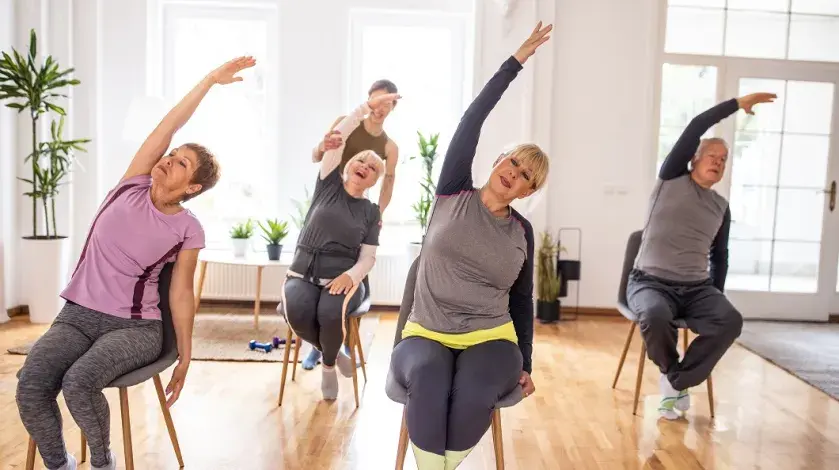
You might notice that things like standing on one foot or getting out of a chair take a little more concentration as you get older. Maybe it’s simply that you reach for the handrail on the stairs more often or you feel less steady when you turn quickly.
Changes in balance are common with age, but they aren’t just caused by getting older. Balance depends on several of your systems working together. When any of these systems changes, like your vision, inner ear, muscles, joints, or brain, your body may have a harder time knowing where it is and be able to respond quickly enough to keep you steady.
Understanding what’s happening can make it easier to recognize when a change is simply something to work on or when it’s worth having evaluated.
Balance Is a Team Effort
Your body is constantly gathering information to help you stay upright. Your eyes tell your brain where you are in relation to your surroundings. Your inner ear helps detect movement and changes in head position. Your muscles and joints provide information about how your body is positioned. Your brain takes all of that information and uses it to help coordinate your next movement.
As you age, changes in any of these areas can affect the way you balance. Vision could become less sharp, muscle strength can decline, joints may become stiffer, and the vestibular system in the inner ear may not respond as effectively as it once did. The result isn’t always that you feel dizzy. Sometimes it just feels like being less steady or needing more time to adjust when you move.
Why Balance Can Feel Different With Age
One reason balance may become more difficult is gradually losing strength over time. Strong leg and core muscles help you control your body when you stand or catch yourself after a misstep. If your joints are stiff, it can also change how you move.
Your reaction time can change, too. If you trip or lose your footing, your body needs to respond quickly. A slower response if you are already feeling weaker can make it harder to recover from a sudden shift in your balance. These changes don’t necessarily happen all at once. You may notice small differences over several years, which can make them easy to overlook.
Staying Active Matters for Your Balance
It’s understandable to be more cautious after a few moments of feeling unsteady. You might avoid certain activities because you’re worried about losing your balance. The problem is that doing less can create its own challenges.
When you’re less active, you can lose some of your muscle strength or your flexibility. Your joints can become stiffer, and activities that used to feel routine may require more effort. Over time, that can make movement feel increasingly difficult.
Regular movements are going to give your body opportunities to practice the things it needs for everyday life. Walking, changing directions, standing from a chair, reaching, and stepping over obstacles all require your balance system to respond to what’s happening around you.
The type and amount of activity will depend on your health and abilities, so someone who has significant balance problems shouldn’t feel like they need to push through symptoms on their own.
When Should You Have Balance Problems Evaluated?
A small change in balance doesn’t automatically mean there’s a serious problem. However, it is worth bringing up if you’re noticing a pattern that affects your normal activities.
Consider talking with a healthcare professional if you regularly experience:
- Dizziness or a spinning sensation
- Difficulty walking steadily
- Frequent loss of balance
- Trouble walking on uneven surfaces
- Problems with balance when turning or changing positions
- Changes in balance following an injury or concussion
- Balance problems that are keeping you from activities you enjoy
Nampa physical therapy can evaluate everything from your movement and strength, to your balance and any other factors that may be contributing to the problem. For dizziness or suspected vestibular conditions, a therapist with specialized training can also perform vestibular assessments to better understand how the inner ear, eyes, and body are working together.
Sometimes the findings point toward physical therapy, but other times your symptoms may say that you need other medical intervention.
Balance Can Be Worked On
Getting older doesn’t mean you have to simply accept becoming less steady. Physical therapy can help to address several of the physical factors that contribute to balance problems. For people experiencing dizziness or vestibular problems, therapy may also include exercises involving any eye and head movement or activities that help the body adapt to movements that trigger symptoms.
Physical therapy is here to help you understand what’s affecting your balance and work on the areas that can be improved.
Moving Forward With Better Information
Balance changes can be easy to dismiss, especially when they happen over time. But if you’re noticing that everyday movements are becoming harder, it’s useful to understand why instead of simply changing everything you do to avoid them.
If changes in your balance are starting to affect how you move through your day, Pick PT physical therapy can help you take a closer look at what’s going on.