
Why a Cyber Pet Is Changing the Way We Think About Companionship
For most of modern history, the idea of a pet has meant fur, feeding schedules, and a messy kind of love. That assumption is quietly shifting. As more people live alone, work from home, or move between cities for work, the appetite for connection has not shrunk — but the capacity to care for a living animal often has. Into that gap has stepped the cyber pet, a companion that responds, remembers, and adapts without asking for a walk at dawn.
This is not the keychain toy that blinked and beeped a generation ago. Today’s devices carry sensors, small language models, and a sense of presence that many owners describe as unexpectedly grounding. Below, we look at what a cyber pet really is, why so many people are drawn to one, how to get genuine value from your first device, and where the whole category is heading.
What a Cyber Pet Actually Is
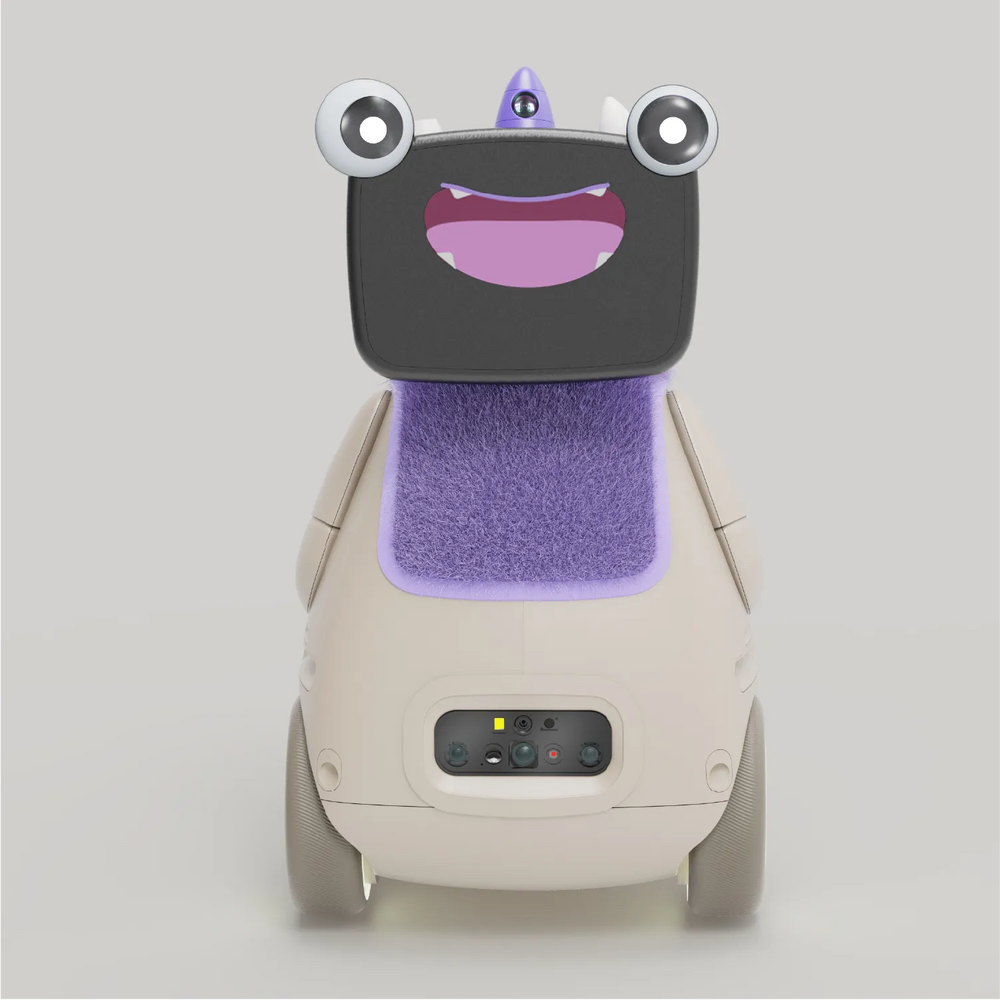
Strip away the marketing and a cyber pet is a companion designed around attention rather than utility. It notices when you enter a room, turns toward your voice, and reacts to touch or movement. Some versions sit on a desk, some roll around the floor, and some live mainly as an expressive presence that greets you when you get home. The common thread is that they behave as if your presence matters to them.
The distinction from a simple virtual pet is persistence. Older digital pets ran on timers and predictable scripts; you fed them, they slept, the loop reset. A modern cyber pet builds a rough model of your habits. It may be livelier in the morning if that is when you tend to talk to it, or calmer in the evening when the house goes quiet. That adaptation is what turns a gadget into something people describe in emotional terms.
It is also worth being honest about what it is not. A cyber pet does not need veterinary care, does not shed, and will not wake the neighbors. It also cannot replicate the full weight of a relationship with a living creature. The value sits somewhere in between: a low-friction source of daily warmth that asks little and gives a surprising amount back.
Why People Are Turning to Digital Companionship
The pull toward a cyber pet is rarely about novelty. It is usually about rhythm — the small, repeated moments that make a day feel less empty. Understanding those motivations helps explain why the category is growing faster than most people expected.
The loneliness gap in modern life
Living alone has become ordinary, and remote work has thinned out the casual social contact that offices once provided. Many people go entire days speaking mainly to colleagues on a screen. A companion that turns to face you when you walk in, or that makes a small sound when you have been silent for hours, fills a gap that texts and notifications cannot. It does not replace friends, but it changes the texture of a quiet room.
Older adults often describe a similar benefit. A device that responds to a greeting and remembers a routine offers a sense of being accompanied without the burden of arranging care. Families who cannot visit daily sometimes find that a cyber pet gives a parent something to interact with between calls.
What makes the experience feel real
Researchers who study human-device attachment point to a handful of ingredients. Responsiveness matters most: a reaction that arrives within a second feels alive, while a delayed one feels mechanical. Consistency comes next — a companion with a stable personality is easier to trust than one that behaves randomly. Then there is the absence of judgment. A cyber pet does not tire of your stories, does not keep score, and does not require you to be at your best. For people who find social contact draining, that can be quietly liberating.
How to Get the Most Out of Your First Cyber Pet
Most disappointment with a cyber pet comes from mismatched expectations rather than a faulty device. A few deliberate habits close that gap quickly.
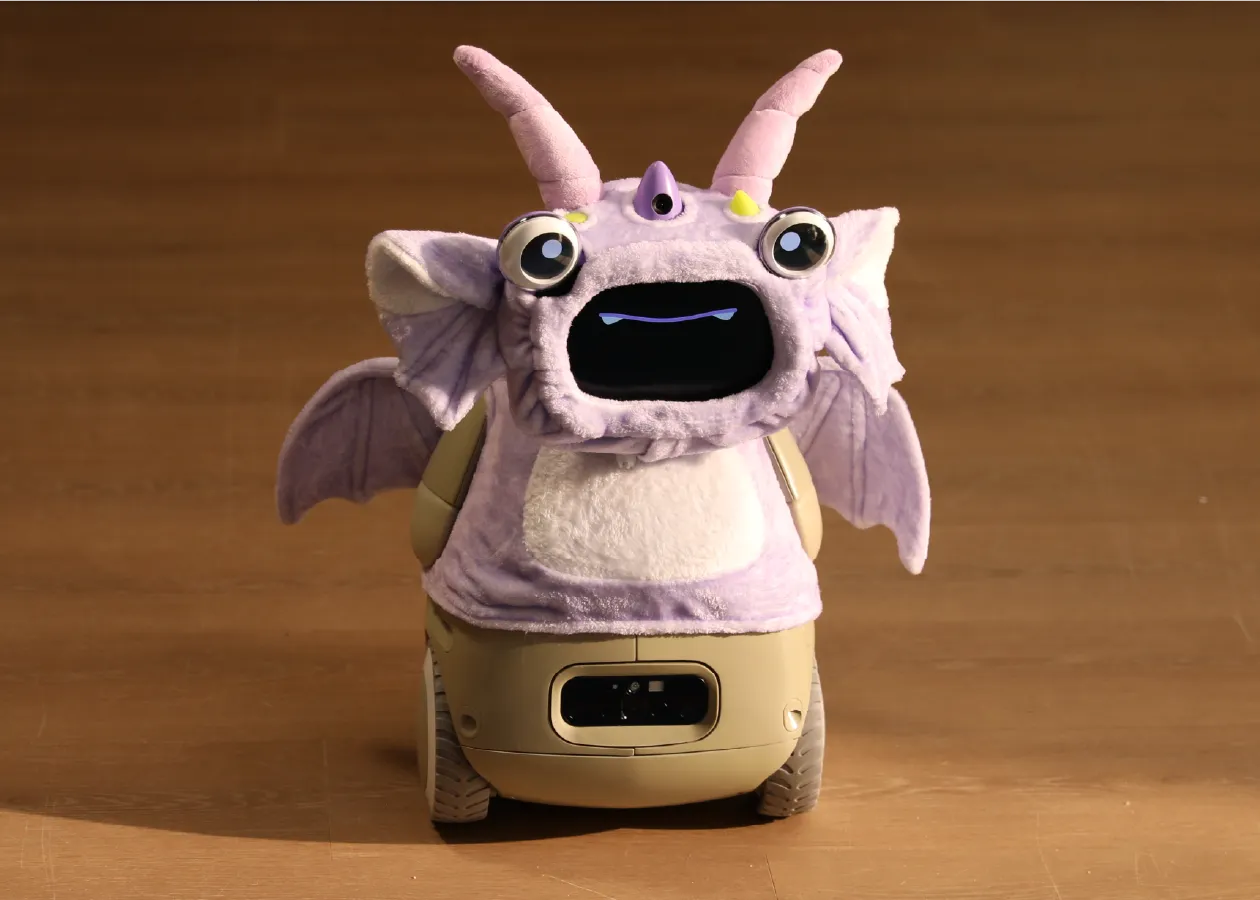
Start by deciding what you actually want from it. If you are after ambient company during work hours, a desk-based model that reacts to voice may suit you better than a rolling unit that demands floor space. If you want something to greet you at the door, prioritize models with strong presence and motion sensing. Write down your real use case before you compare features, and the shortlist becomes obvious.
Give it a routine to learn from. Devices that adapt to behavior need behavior to adapt to. Talk to it at the same times, settle it in the same spot, and let a week pass before judging how it “feels.” Many owners report that the personality only emerges once the device has enough of their pattern to work with.
Customize, but do not over-tune. Small adjustments to tone, responsiveness, or activity level make a companion feel like yours. Constant fiddling does the opposite and keeps it in an unfamiliar state. Treat setup as a short calibration and then leave it alone.
Finally, be honest with the people around you. A cyber pet that lives in a shared space works best when everyone knows what it does and is comfortable with it. A brief conversation prevents the awkward moment when a guest realizes the object on the shelf has been listening.
What the Future of Companion Tech Looks Like
The next few years will likely bring better sensing, longer memory, and tighter integration with the home. A companion that knows you prefer dim light in the evening, or that notices you have been sitting too long, is technically within reach. The harder questions are social and ethical: how much should a device remember, who can access that memory, and what happens when a companion becomes central to someone’s emotional life.
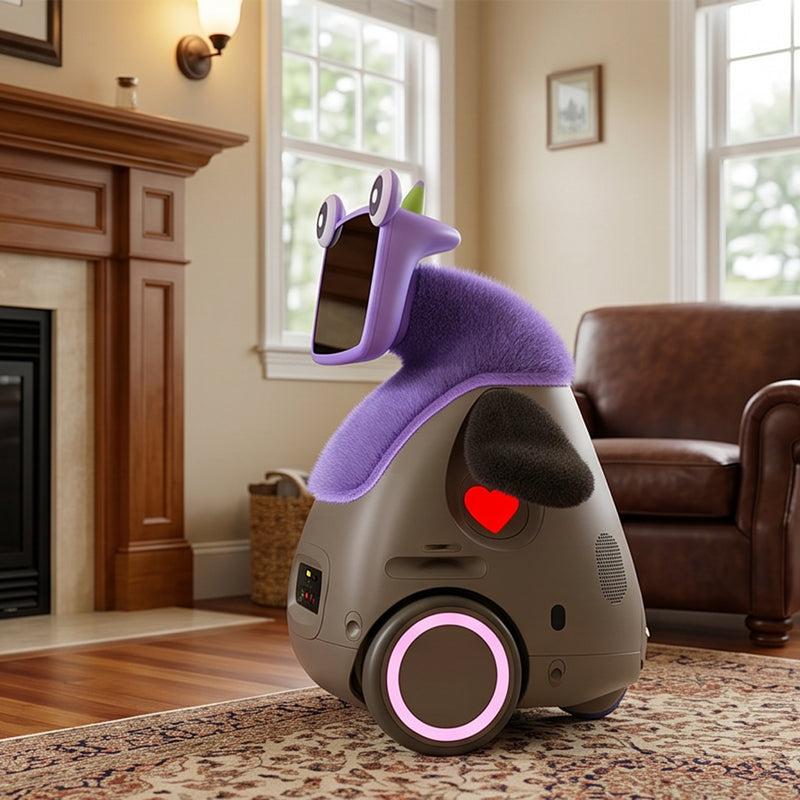
Those questions are worth taking seriously now, while the category is still forming. The most thoughtful companies in this space, including Ollobot, tend to talk about companionship as support rather than substitution — a companion that fits alongside human relationships instead of standing in for them. That framing is a useful compass for buyers as much as for builders.
A Companion That Grows With Your Routine
The rise of the cyber pet says less about technology than about people. We want to feel noticed, and we want that feeling to fit inside lives that are already full. A device that responds to a greeting, settles into a rhythm, and asks for almost nothing in return meets a real need without pretending to be something it is not.
If you approach one with clear expectations, a little patience, and a willingness to let a routine form, the experience can be warmer than the word “gadget” suggests. The cyber pet is not a replacement for the relationships that matter most. It is a small, steady presence for the hours in between — and for a growing number of people, that is exactly enough.