
How an automatic liquid filling machine Fills Bottles Accurately
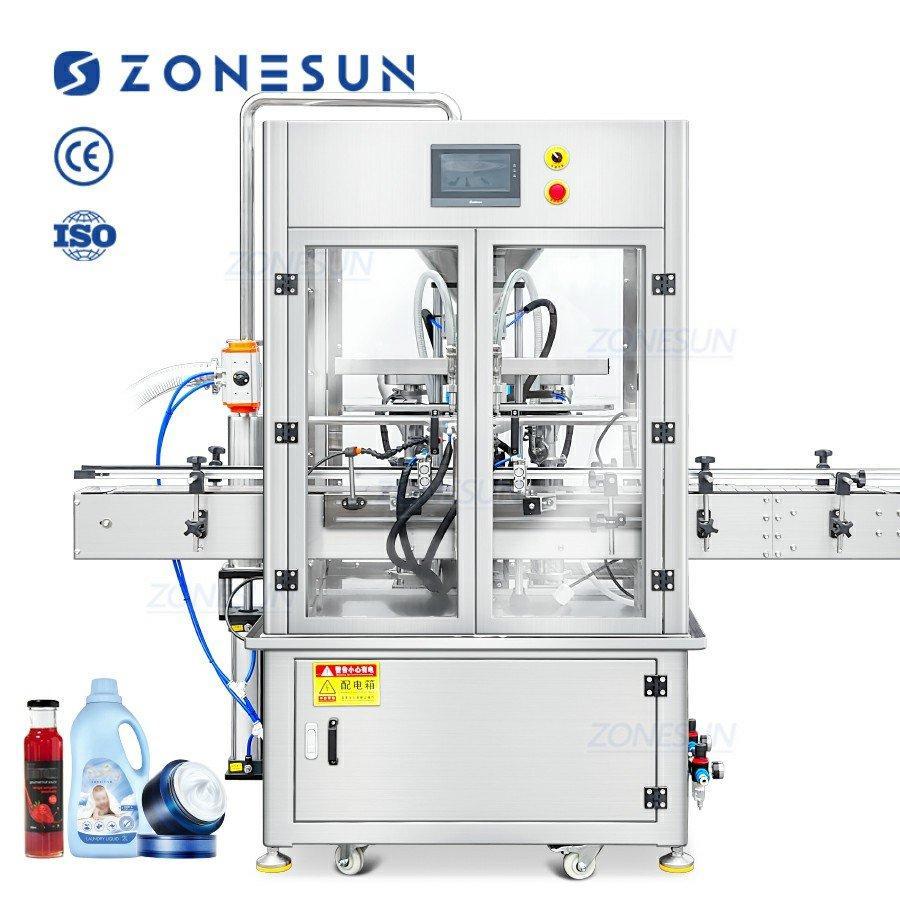
Filling bottles by hand works for a small batch, but it is slow, messy, and never quite even. One bottle ends up a little fuller than the next, and sticky or foaming liquids make the job worse. An automatic liquid filling machine takes over that work on a production line, measuring the same amount into every bottle and doing it fast enough to keep up with capping and labelling.
The machines vary a lot in how they measure the liquid, and the right method depends on what is being filled. Water, oil, shampoo, and solvents all behave differently, so the machine has to suit the product. This article explains the main ways these machines work and how to think about choosing one.
The basic job, done the same way every time
Every liquid filler does three things: it brings a bottle into position, it puts a measured amount of liquid in, and it moves the bottle on. The difference is in how the amount is measured. Some machines use a piston that draws in a set volume and pushes it out; others use a flow meter that counts the liquid as it passes; and some fill by weight, weighing each bottle as it fills and stopping at the target. Each method has its strengths.
Piston fillers are common for thick liquids such as creams, sauces, and oils, because they push the product through positively rather than relying on it to flow. Flow meter fillers suit thin, free-flowing liquids and can run very fast. Weight-based filling is the most accurate, because it does not depend on the liquid’s temperature or thickness, and it is often used for expensive products where a small overfill on every bottle would add up to real money.
Handling different liquids
Thin liquids like water and solvents fill easily but can splash or foam if the nozzle moves too fast. Machines for these products often use nozzles that go to the bottom of the bottle and rise as it fills, which keeps foaming down. Thick liquids like shampoo, honey, or lotions need a different approach, with a pump that can push them through and a nozzle that cuts off cleanly so the product does not string or drip between bottles.
Some products need extra care. Flammable solvents need a machine built with the right safety features, and food products need parts that can be cleaned thoroughly and made from food-safe materials. A filler that handles water well may be useless for a thick cream, so the product should decide the machine, not the other way around.
Nozzles, changeover, and line speed
The nozzle is where the filling happens, and its design matters. A good nozzle fills quickly without splashing, shuts off cleanly without dripping, and can be adjusted for different bottle heights. Some machines have several nozzles working at once, so four, six, or more bottles are filled at the same time. More nozzles mean more speed, but also more parts to clean and set up.
Changeover is the time it takes to switch the machine from one product or bottle to another. A machine that is quick to change over suits a business with many small batches, while a machine that takes an hour to adjust suits long runs of a single product. When comparing machines, ask how long a changeover takes in practice, not just in the brochure.
Keeping fills accurate day after day
Accuracy drifts if the machine is not checked. A simple routine, weighing a few filled bottles at the start of each shift and again during the day, catches most problems early. If fills start to drift, the cause is often a worn seal, a nozzle that needs cleaning, or a change in the product’s temperature. Checking regularly is far cheaper than discovering at the end of a run that hundreds of bottles are underfilled.
Cleaning between products is also part of accuracy, especially where flavours or colours change. Residue from the last product can affect the next one, so the machine should be easy to strip down and wash. A filler that is hard to clean will be cleaned less often, and the product will show it.
An automatic liquid filling machine earns its place by doing one simple thing reliably: the same amount in every bottle, at line speed, without mess. The right machine is the one that suits the liquid being filled, changes over in a sensible time, and stays accurate with a short daily check.
If you are buying your first filler, ask the supplier to run your actual product through it before you commit. Water behaves nothing like a thick cream, and a trial with the real liquid will show up splashing, dripping, or foaming that a brochure never mentions. A machine that handles your product cleanly in a trial will handle it cleanly on the line.