
Stop Guessing: A Practical Guide to Picking Mountain Bike Tires
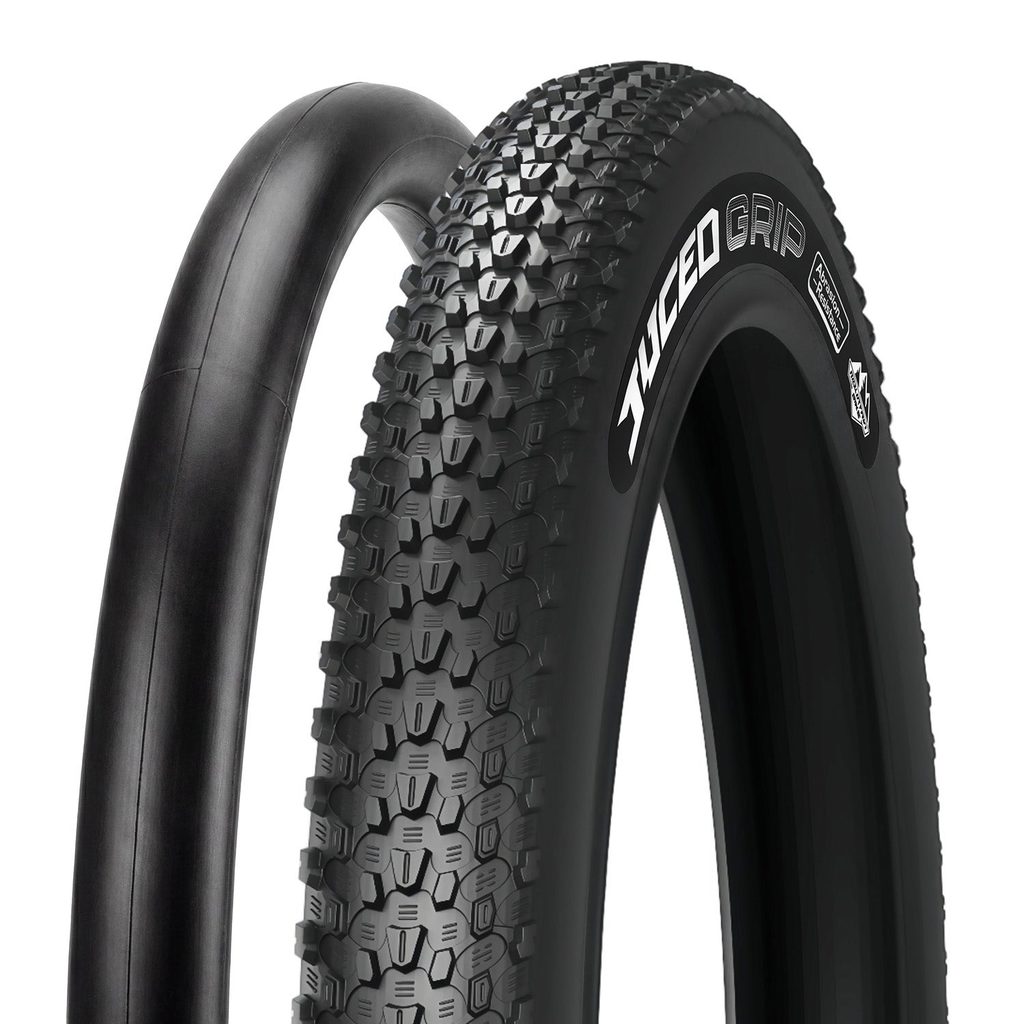
Walk into any bike shop and the wall of mountain bike tires can feel overwhelming. Different tread patterns, widths, casings, and compounds all promise better grip or faster rolling, but without a clear framework it’s easy to end up with a tire that doesn’t actually fit the way you ride. This confusion leads many riders to either overspend on tires built for conditions they rarely encounter, or underspend and end up frustrated when their bike slips through corners it should handle easily. The good news is that tire selection follows a fairly logical process once you break it into its core components: terrain, tread, sizing, and riding intent. This guide walks through that process step by step, giving riders a practical way to narrow down options without needing to become a tire engineer first.
Start With the Terrain You Actually Ride
Before comparing tread patterns or reading spec sheets, the first question should always be about terrain. Dry, hardpacked trails call for different tires than loose, rocky descents or wet, root-covered forest paths. Riders often make the mistake of buying tires based on what looks capable rather than what their local trails demand. A mountain bike tire built for muddy, technical terrain will feel heavy and sluggish on smooth, dry singletrack, while a fast-rolling tire designed for hardpack will struggle to find grip the moment things get loose or wet.
Take an honest inventory of the trails ridden most often throughout the year. If conditions vary significantly by season, it’s worth considering two tire setups rather than forcing one tire to do everything. This single step eliminates a huge portion of unsuitable options before any other factor even comes into play.
Understanding Tread Design Without the Jargon
Tread patterns can look intimidating, but the logic behind them is straightforward. Center knobs handle braking and acceleration, while side knobs manage cornering grip. Closely spaced, low-profile knobs reduce resistance and work well on firm ground, while taller, more spread-out knobs dig into soft or loose surfaces for better bite.
Reading Knob Spacing and Height
Wider spacing between knobs helps shed mud and debris, which matters most in wet or muddy climates. Shorter knobs roll faster but offer less bite in loose conditions, while taller knobs grip aggressively but can feel less stable on hardpack. Comparing these details across a few tire options usually reveals a clear front-runner for a given trail type.
Sizing: Width, Diameter, and Volume
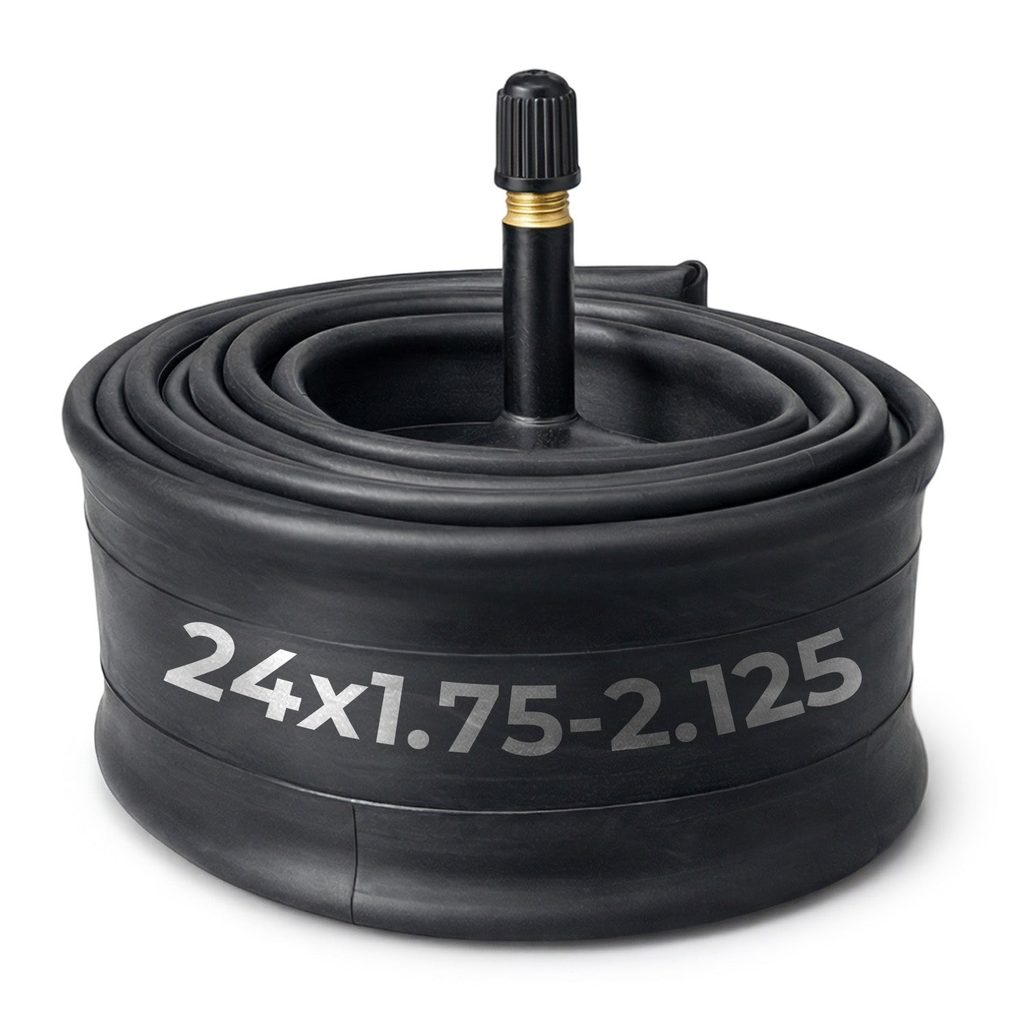
Tire sizing involves more than just matching wheel diameter. Width affects the contact patch and how forgiving the ride feels, while internal volume changes how the tire absorbs impacts. Riders on rougher, rockier trails often benefit from wider, higher-volume tires that soak up small hits before they reach the frame. Those prioritizing speed and efficiency on smoother trails may prefer a narrower profile that keeps rolling resistance low.
Rim width also plays a role here, since a tire mounted on a rim that’s too narrow or too wide won’t perform as intended. Checking rim compatibility before committing to a specific width avoids a mismatch that undermines the tire’s actual capabilities.
Matching Tires to How You Actually Ride
Two riders on the same trail can have completely different tire needs based on how they ride it. An aggressive rider who brakes late and pushes hard into corners needs more sidewall support and grip than someone riding at a relaxed, steady pace. Juceo builds tire options across this spectrum, which makes it easier for riders to find a match without settling for a generic, one-size-fits-all tire. Being honest about riding style, not just trail difficulty, leads to a far more satisfying setup.
Testing and Fine-Tuning Your Choice
Even with careful research, the final step is riding the tire and paying attention to how it behaves. Cornering confidence, braking traction, and rolling feel all provide feedback that spec sheets can’t fully capture. Small adjustments, like tweaking tire pressure by a few PSI, can make a bigger difference than switching tread patterns entirely. Giving a new tire a few rides across varied terrain before making a final judgment helps separate real performance from first impressions.
A Simple Framework for Smarter Tire Choices
Choosing mountain bike tires doesn’t need to be complicated once terrain, tread, sizing, and riding style are considered together instead of in isolation. Each factor narrows the field a little further, until what’s left is a tire genuinely suited to how and where you ride. Riders who follow this kind of structured approach tend to spend less money on trial-and-error purchases and more time actually enjoying trails with a setup that performs the way they expected. The next time tire shopping feels overwhelming, going back to these basics turns a confusing decision into a clear one.