
How a radar speed sign with driver feedback Works, in Plain English
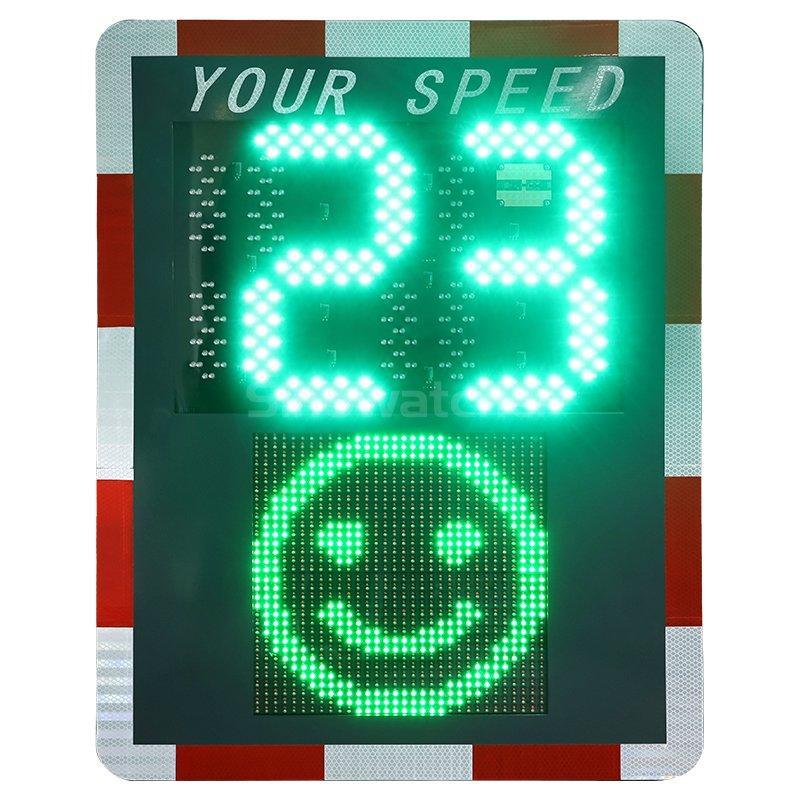
Most drivers know the feeling of glancing at the speedometer and realising they are going faster than they thought. A radar speed sign with driver feedback is built for exactly that moment. It measures your speed as you approach and shows it back to you on a bright display, so you can correct yourself before it matters.
This article explains how the sign works, what the feedback does, and where these signs are used. It is written in plain terms, for anyone who looks after a road, a school area, or a site where speed needs managing. It is also useful where a clear, calm warning works better than a fine. It is also useful if you are comparing signs for a purchase, since the features that matter are not always the ones in the brochure.
What the sign measures
The sign uses a small radar unit to measure the speed of approaching vehicles. Radar works by sending out radio waves and timing how they bounce back, which tells the unit how fast the vehicle is moving. It does this without any contact, without cameras, and without needing the driver to do anything at all.
The measurement happens in a fraction of a second, and the sign updates as each vehicle approaches. Because it only measures speed, it does not record who the driver is or where they are going. For most road users, that makes it a gentler tool than enforcement cameras, since its aim is to inform rather than to catch.
What the driver sees
The display shows the driver’s speed in large, clear numbers that can be read from a distance. Many signs also add a simple message or a colour change when the speed is over the limit, such as a flashing display or a warning face. The idea is to make the feedback impossible to miss without being confusing.
That immediate feedback is the whole point. A driver who sees their speed displayed will usually slow down on the spot, because the number makes the speed feel real in a way that a limit sign does not. It is a nudge, not a punishment, and for most drivers that nudge is enough.
- The display should be large and easy to read at a distance.
- A colour or flash adds emphasis when the limit is exceeded.
- The message should be simple, with no text to puzzle over.
How the sign is powered and built
These signs are built to live outdoors in all weather, so the housing is sealed against rain and dust, and the display is made to stay readable in bright sun. Many run on solar power, with a battery that keeps them working overnight and through cloudy spells, while others connect to mains power where that is easier.
The radar unit sits behind the display or on the same pole, and the whole sign is usually mounted high enough to see over parked cars and hedges. Installation is straightforward compared with roadworks, which is one reason these signs are popular for school zones and residential streets.
Where they are used
You will see these signs outside schools, in residential areas, near roadworks, and at the entrances to villages and industrial sites. Anywhere drivers need a reminder to slow down, and where a full enforcement setup would be too much, a feedback sign is a sensible middle ground.
They are also used as a way to gather information about traffic. Many signs record the speeds they measure, which gives the road authority a picture of how fast traffic really moves, and at what times. That data can then guide decisions about limits, crossings, and other safety measures.
What they can and cannot do
A feedback sign is good at slowing the average driver down, and studies of these signs generally show a clear drop in speeds where they are installed. But they will not stop a driver who is determined to speed, and their effect can fade over time as regular drivers get used to them. That is why they work best alongside other measures, not instead of them.
It helps to move or vary the sign now and then, and to check the recorded speeds regularly to see whether it is still having an effect. A sign that is checked, maintained, and used as part of a wider plan will do far more good than one that is put up and left to run on its own for years.
It is a simple idea done well: measure the speed, show it back, and let the driver correct it. Placed in the right spot and looked after properly, it is one of the most practical tools for calming traffic on a local road. It is a small piece of street furniture with an outsized effect on how people drive.