
brake fluid: What It Does and Why It Matters
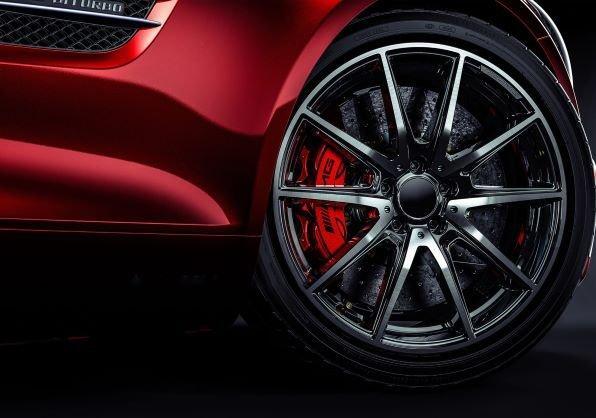
The liquid that carries the force from your foot on the pedal to the brakes at the wheels is brake fluid, and it is one of the most important fluids in any vehicle. When you press the pedal, the fluid pushes through the lines and squeezes the brake pads against the discs, and the car slows down. It sounds simple, and it is, but the fluid has to do this reliably, in heat and cold, thousands of times without failing.
This article explains what brake fluid is, how it works, what the different types mean, and how to look after it. You do not need to be a mechanic to understand it, and knowing the basics will help you spot a problem before it becomes a dangerous one.
How the braking system uses the fluid
A braking system works on pressure. Your foot presses the pedal, the pedal pushes a piston, and the piston pushes the brake fluid through the lines to each wheel. Because liquid barely compresses, the force arrives almost instantly, and the brakes respond the moment you press. If air gets into the lines, the pedal feels soft and spongy, because air compresses and soaks up the force before it reaches the brakes.
The fluid also has to cope with heat. Braking turns speed into heat, and the fluid near the brakes gets very hot indeed. A good fluid keeps working at those temperatures without boiling, because boiled fluid turns to vapour, and vapour compresses just like air. That is why the fluid’s boiling point matters, and why old fluid is a real safety issue.
The different types, and why you cannot mix them
It comes in types, usually marked DOT 3, DOT 4, or DOT 5.1, and the type your vehicle needs is written in the manual or on the reservoir cap. The main difference is the boiling point: higher numbers generally cope with more heat. DOT 5 is a different kind altogether, based on silicone, and it must never be mixed with the others.
Using the wrong type is not a small mistake. A lower-grade fluid in a vehicle that needs a higher one can boil under hard braking, and mixing types can damage seals. Always use the type the maker specifies, and if you are not sure, check the manual or ask a mechanic. The reservoir cap usually has the answer printed on it, and it takes ten seconds to read.
- Check the reservoir cap for the correct type
- Never mix DOT 5 silicone fluid with the others
- Use the type the maker specifies, not the one on the shelf
Why the fluid goes bad over time
The fluid absorbs moisture from the air, slowly but steadily, and that is its main weakness. Water lowers the boiling point, so old fluid boils sooner than new fluid, and it also causes rust inside the braking system. This happens even if the car is hardly driven, because the fluid is always in contact with air through the reservoir. It is a matter of time, not mileage.
That is why brake fluid is changed on a schedule, usually every couple of years, rather than when it looks dirty. Fresh fluid is clear or pale amber, and old fluid turns dark. Colour is a rough guide, but time is the real measure. If you do not know when the fluid was last changed, assume it needs doing, and have it checked.
Checking the level and spotting problems
Checking the level is easy. The reservoir sits under the bonnet, with minimum and maximum marks on the side. The level should sit between them. If it is low, something is wrong, because the fluid is not used up in normal driving. A low level usually means a leak, or that the brake pads have worn down, and both need attention from a mechanic.
Watch out for a pedal that feels soft, sinks slowly, or needs pumping to work. Those are signs of air or moisture in the system, and they mean the car should not be driven until it has been checked. Brakes are not a system to take chances with. If the pedal feels different from usual, get it looked at the same day, and do not keep driving and hoping it improves.
The fluid is a small part of a vehicle, but it carries the whole job of stopping. It has to stay clean, stay dry, and keep its boiling point, and it can only do that if it is the right type and changed on schedule.
If you take one thing from this article, let it be this: know the type of brake fluid your vehicle needs, keep an eye on the level and the pedal feel, and change the fluid when it is due. It is a simple habit, and it is one of the most important ones a driver can have.