
Modular Sofa Essentials: Design Flexibility for Every Home
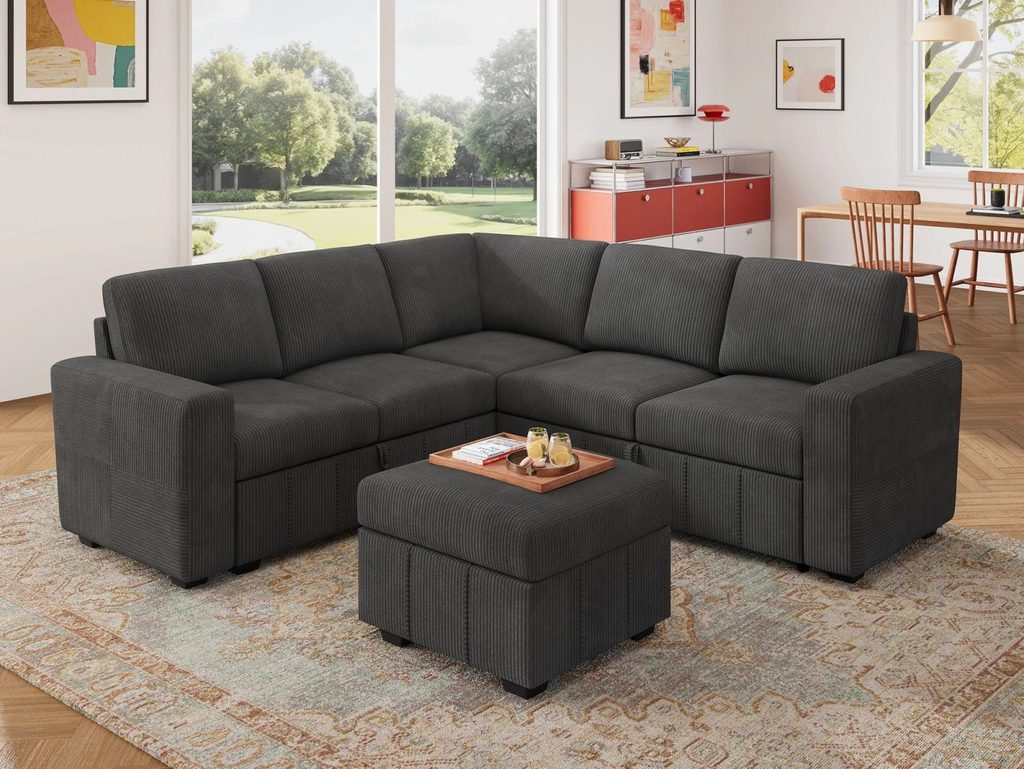
Living spaces rarely stay the same for long. A studio becomes a shared apartment, a family room absorbs a new baby, a home office swallows what used to be the reading corner. Furniture built for a single fixed layout can feel like dead weight when life shifts, which is why reconfigurable seating has moved from a niche interest to a mainstream expectation. A modular sofa answers that reality directly, letting owners rearrange, expand, or condense their main seating without buying something new. This article breaks down what actually makes a modular piece worth owning, how to plan a configuration that fits your room today and tomorrow, and how to keep the investment performing for years. The goal is not to sell a look but to help you choose components you will still be happy with three moves and two life changes from now.
What Makes a Modular Sofa Different
The defining feature is separability. Instead of a single frame with fixed geometry, a modular piece is built from discrete units, usually corner sections, armless middles, chaises, and ottomans, that connect through hardware or gravity-based interlocks. That structural choice matters in real ways. Moving day becomes manageable when the largest piece splits into cushions rather than a single eight-foot monolith. Tight staircases, elevator doors, and doorframes stop dictating what you can own. A well-designed modular sofa also lets you buy in stages, starting with a loveseat configuration and adding pieces as budget or space grows. Connectors vary widely in quality, from flimsy plastic clips to metal brackets with locking pins, and the difference shows within the first year of use. Ask specifically about connector construction before committing.
Frame and Cushion Construction
Underneath the fabric, look for kiln-dried hardwood frames rather than particleboard, and sinuous spring or webbing suspension rather than plain foam decks. High-resilience foam wrapped in fiber holds its shape longer than plain foam blocks. These details determine whether the piece still sits comfortably after three years or slumps into a low, tired shape.
Planning a Layout That Actually Works
Before ordering, measure the room in inches and sketch a floor plan on graph paper or a free planning app. Mark doors, windows, radiators, and the primary sightline, whether that is a television, fireplace, or view. Then place cutouts representing each modular piece to test configurations. An L-shape works beautifully in an open-plan living space, defining the seating zone without walls. A U-shape suits movie-loving households but demands enough depth to leave a walking path behind the outer arm. A straight line with an ottoman functions in narrow rooms where a chaise would block traffic. Leave at least eighteen inches between the front of the sofa and the coffee table, and thirty inches for main walking paths. Rushing this step is the single most common regret buyers report after delivery.
Configuration Options for Common Living Situations
Different households push a modular design in different directions. Small apartments benefit from a compact three-piece L that can shift into a straight loveseat when guests need a walking path. Families with children often prefer a deep U with washable covers, since spills and jumping happen daily. Frequent hosts gain from adding an ottoman that doubles as extra seating, or from choosing pieces that combine into a guest bed. Remote workers sometimes use a corner section as an informal call station, adding a small side table for a laptop. The point is to match components to daily use rather than to a magazine spread. Write down the three activities the sofa must support best, then choose pieces that serve those three before adding anything else.
Fabric and Color Choices That Age Well
Because a modular piece often stays through multiple decor cycles, fabric choice deserves extra thought. Neutral upholstery, oatmeal, warm grey, soft taupe, and deep charcoal, survives repainting, rug swaps, and shifting art far better than trend colors. Performance fabrics with tight weaves resist pilling and clean up quickly, which matters when the sofa may migrate between rooms over the years. Removable, washable covers add another layer of longevity, letting you refresh the look without replacing the frame. If bold color calls to you, place it on pillows and throws that cost a fraction to replace. HONBAY frames pair with several cover options, so buyers can update palettes without dismantling the core investment.
Maintaining and Reconfiguring Over Time
Long-term satisfaction depends on small routines. Rotate loose cushions weekly so no single seat compresses faster than the others, and reverse reversible cushions monthly. Tighten connector hardware every few months, since regular use loosens joints subtly. Vacuum crevices where crumbs and pet hair accumulate, and treat spills within minutes to prevent staining. When your living situation changes, resist the urge to keep the same configuration out of habit. Move pieces around after every major life event, a new pet, a move, a rearranged room, and see whether a different layout better serves current needs. The whole point of modularity is that the sofa evolves with you, not that it stays frozen in the arrangement chosen on delivery day.
Seating That Grows With Your Life
Choosing a reconfigurable sofa is a bet on change. Rooms will shift, households will expand or contract, tastes will move on, and a well-built modular piece meets each of those transitions without demanding replacement. The essentials come down to sturdy connectors, quality frame and cushion construction, a layout planned around real daily use, fabric that survives more than one decor era, and simple maintenance habits that keep everything performing. Get those right, and the piece becomes less a purchase and more a long-running partner in the home. Style trends will come and go around it, but a thoughtfully assembled modular sofa keeps pace with the actual life happening on top of it, which is the only measure that ultimately matters.